Debate Over Inflation Measurement Intensifies Amid Rising Prices
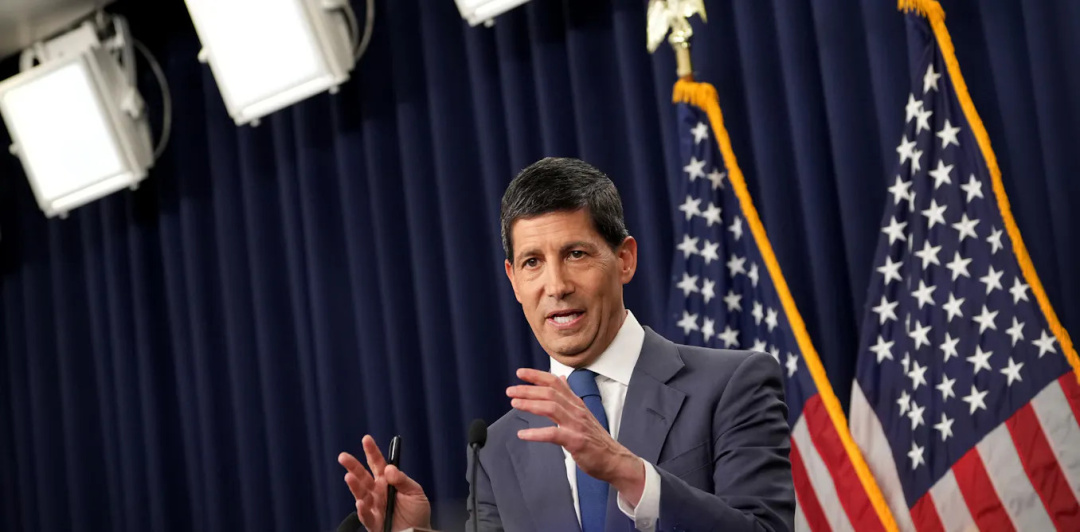
Inflation is a pressing concern for Americans, affecting everything from gas prices to groceries. Despite the Federal Reserve's recent decision to maintain interest rates, a contentious vote revealed divisions among policymakers regarding the need for a rate hike. Fed Chair Kevin Warsh emphasized the importance of reducing inflation, which remains above the central bank's 2% target, even as it dipped from 4.1% in May to 3.7% in June. This ongoing uncertainty has intensified discussions about the most effective ways to measure inflation, a debate that could significantly influence economic policy and everyday financial decisions for Americans.
The complexity of measuring inflation stems from the need to consider various prices and the quantities of goods and services consumed. Different inflation metrics yield varying results, leading to confusion among policymakers and the public. For instance, the government reports a year-on-year inflation rate of 3.7% for June 2026, while a core measure that excludes volatile food and energy prices suggests a lower rate of 3.3%. The Dallas Federal Reserve's preferred measure indicates an even lower inflation rate of 2.2%. These discrepancies highlight the challenges in accurately capturing the inflation experience of consumers.
Market Reading & Resources
Sponsor funding complete. Trade on.
The Federal Reserve's approach to measuring inflation is under scrutiny as it reassesses its methods. The central bank has traditionally relied on the personal consumption expenditures price index, which offers a broader view of price changes. However, the consumer price index, which is more commonly referenced, can reflect the immediate experiences of consumers more accurately. This divergence in measurement can lead to different conclusions about the economic landscape, influencing decisions on interest rates, government benefits, and wage negotiations.
The debate over inflation measurement is not merely academic; it has real-world implications for households and businesses. For example, how inflation is calculated can affect mortgage rates, borrowing costs, and even Social Security adjustments. As the Fed considers how to refine its inflation metrics, the potential for changes looms large, with economists suggesting that a more flexible approach may be necessary to account for the inherent imprecision in measuring inflation.
In the context of rising prices, the Fed's task force is exploring a broader set of inflation measures that could reshape its policy framework. This reassessment is crucial as it will determine how inflation is perceived and managed moving forward. The ongoing discussions reflect a fundamental question: which inflation measure should guide policy decisions? As the Fed navigates this complex landscape, the choices made will resonate throughout the economy, impacting everything from consumer spending to business investment.