U.S. Economy Grows 1.5% in Second Quarter Amid High Inflation
The U.S. economy expanded at a modest pace of 1.5% from April through June, according to the Commerce Department. This growth rate is a deceleration from the 2.1% recorded in the first quarter of 2026 and fell short of economists' expectations. Despite this, consumer spending, which constitutes about 70% of economic activity, surged at an annual rate of 3.2%, a notable increase from just 0.5% in the previous quarter. Business investment, particularly in artificial intelligence, also remained strong, rising at an 8.4% pace, although this was a decrease from 10.6% in the first quarter.
Imports, which increased at an 11.5% rate, negatively impacted GDP growth by 1.5 percentage points. The rise in imports was driven by a surge in shipments of computer chips and other products related to AI investment.
Market Reading & Resources
Sponsor funding complete. Trade on.
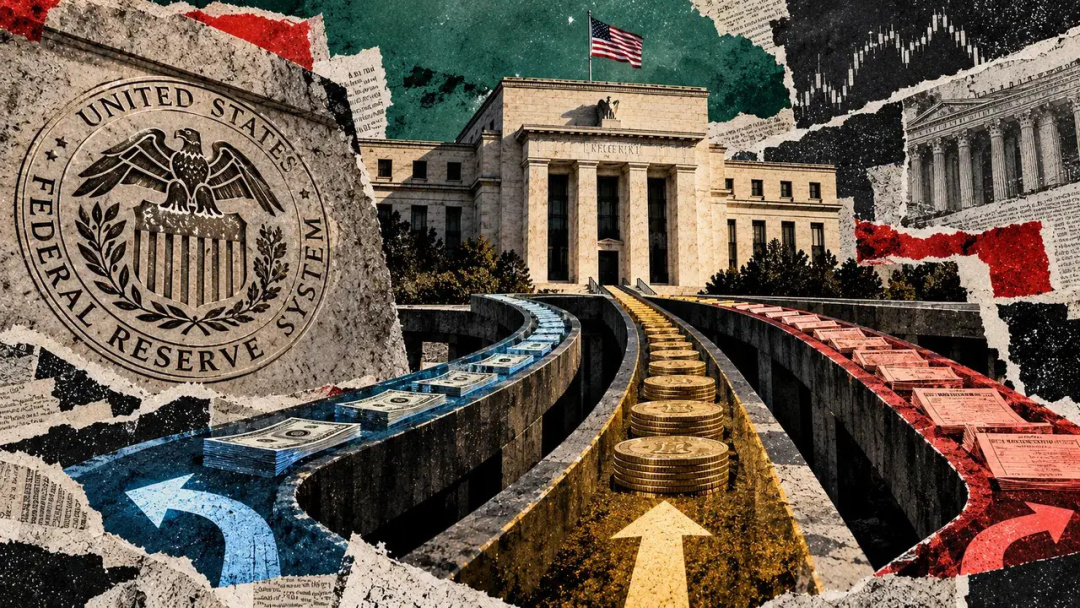
In terms of inflation, the personal consumption expenditures (PCE) price index, favored by the Federal Reserve, rose by 3.7% year-over-year in June, down from a 4.1% increase in May. Core consumer prices, excluding food and energy, saw a slight change, increasing by 3.3% compared to the previous year. The Federal Reserve opted to keep its benchmark interest rate unchanged for the fifth consecutive meeting, although three regional Fed presidents expressed dissent, advocating for a rate hike to address persistent inflation.
As the midterm elections approach, rising costs continue to frustrate Americans, impacting the political landscape. The economy has shown resilience despite challenges such as the ongoing Iran war and rising energy prices. Job growth has rebounded this year, averaging 92,000 new jobs per month, a significant improvement from the previous year when fewer than 10,000 jobs were added monthly due to high interest rates and trade uncertainties under President Donald Trump. However, the persistent high cost of living remains a concern for many Americans, as inflation continues to exceed the Federal Reserve's target of 2%. This GDP report is the first of three estimates for second-quarter economic growth.