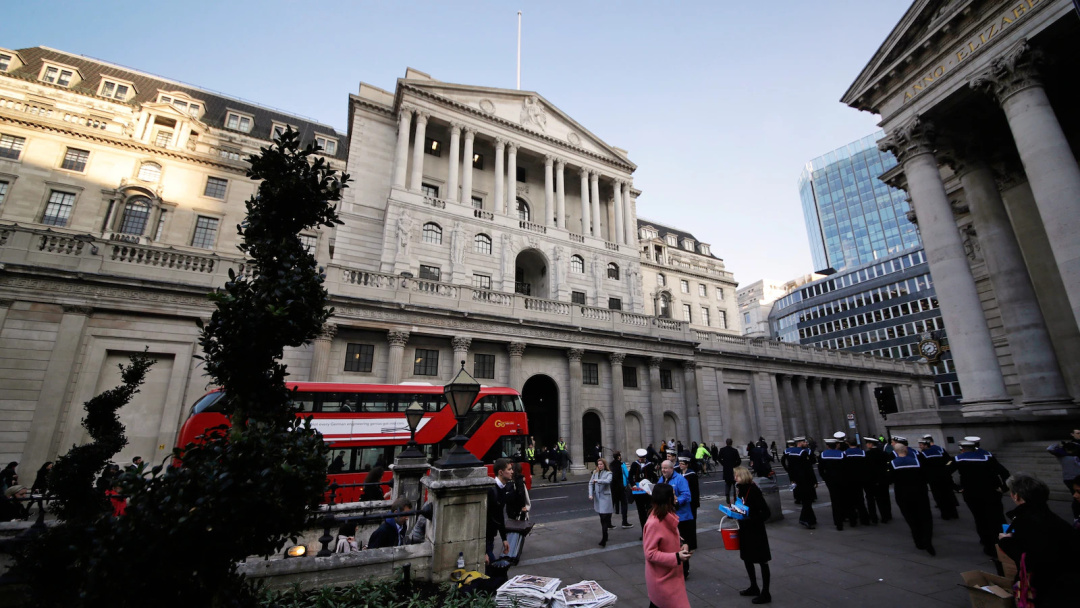
Bank of England Projects Inflation Rise to 3.3% by Q3 2026
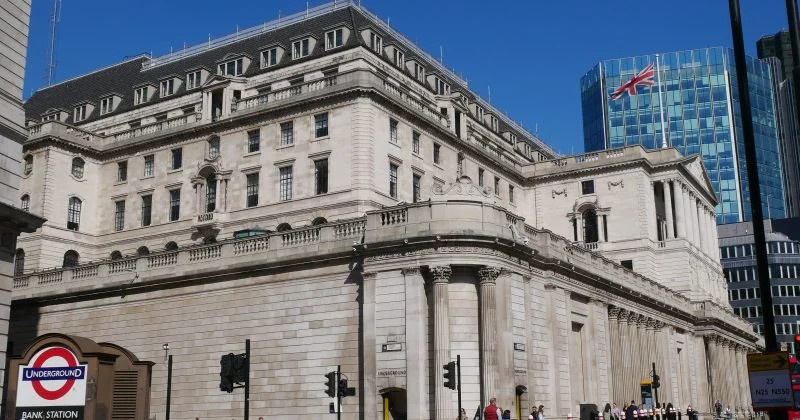
The Bank of England has issued a concerning forecast regarding UK inflation, projecting it to rise to 3.3% by the third quarter of 2026. Governor Andrew Bailey highlighted that energy price shocks stemming from ongoing conflicts in the Gulf region are expected to push inflation well above the central bank's target of 2%. Currently, the Consumer Price Index (CPI) inflation rate is at 2.6%, a slight decline from May's 2.8%. Bailey noted that without the disruptions caused by the Gulf conflict, the UK would likely have returned to its inflation target earlier this year.
The BoE's April Monetary Policy Report had already flagged rising energy costs as a persistent concern, indicating that these costs affect not only fuel prices but also ripple through supply chains, increasing production costs and ultimately impacting consumer prices across various sectors, from groceries to services. Bailey emphasized that the inflation data currently available does not fully reflect the energy cost surge already embedded in wholesale markets, suggesting that the situation may worsen before it improves. By the fourth quarter of 2026, the BoE anticipates that these inflationary pressures will push CPI even higher than the current projections.
Market Reading & Resources
Sponsor funding complete. Trade on.
In response to these challenges, the Bank of England has opted to maintain its benchmark interest rate at 3.75%, the lowest level since February 2023. This decision reflects a delicate balance; while further cuts could exacerbate inflation, the current rate is already exerting pressure on borrowing costs, housing markets, and business investments. The labor market's existing slack provides some reassurance, allowing the BoE to argue that the energy-driven inflation spike is unlikely to trigger a broader wage-price spiral, which is a more significant concern for central banks.
The implications of sustained higher interest rates are particularly relevant for the cryptocurrency market. Elevated rates increase the opportunity cost of holding non-yielding assets like Bitcoin, while also raising financing costs for companies in the crypto sector. This environment could lead to reduced venture capital flows into blockchain startups and make leveraging borrowed capital more expensive for traders.
Bailey's warning about inflation serves as a clear indication that a shift in monetary policy is not imminent. With energy prices remaining high due to geopolitical instability and the BoE's acknowledgment of ongoing inflationary pressures extending through late 2026, the macroeconomic landscape for risk assets, including cryptocurrencies, remains complex and challenging.