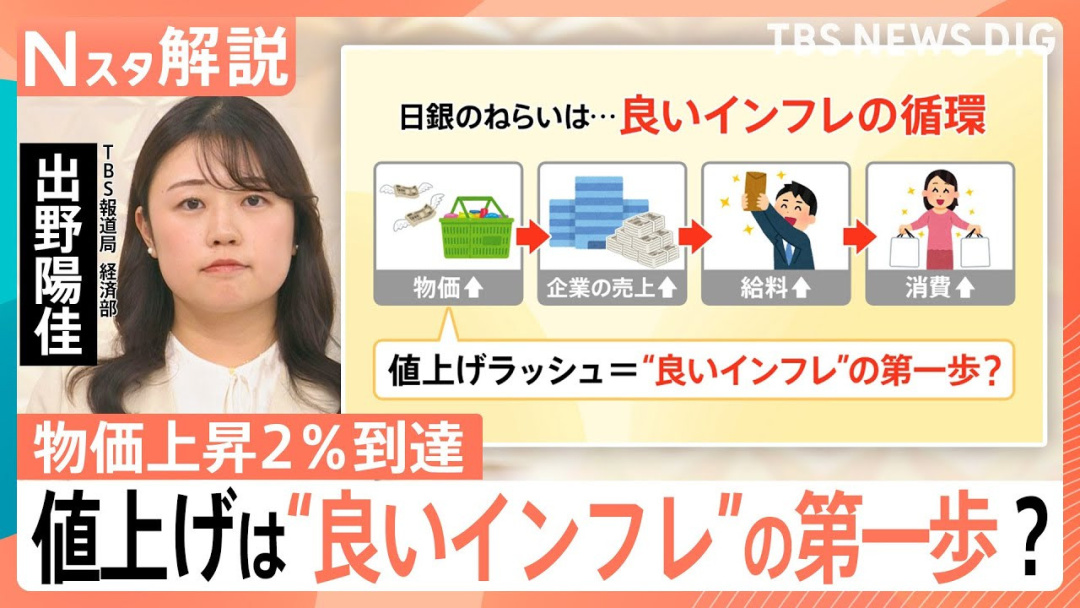
Japan to Reduce Food Sales Tax to 1% Amid Inflation Concerns
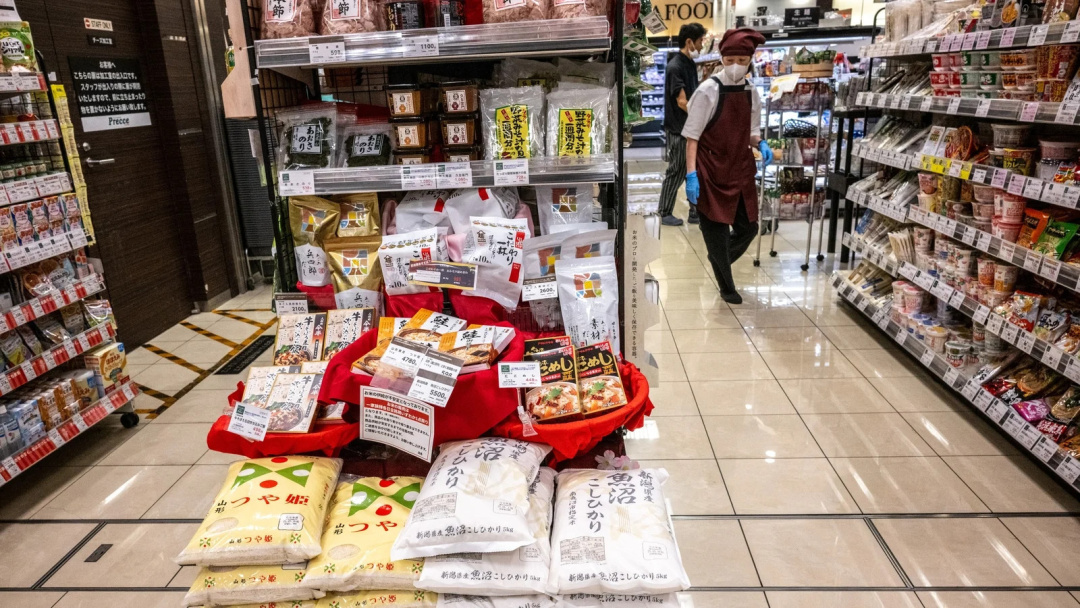
Japan is set to temporarily reduce its consumption tax on food from 8% to 1%, beginning in April 2024. Prime Minister Sanae Takaichi announced this significant measure as part of efforts to combat rising inflation affecting the nation. This tax cut will be the first of its kind since the consumption tax was introduced in 1989 and is intended to alleviate the financial burden on consumers amid increasing cost-of-living pressures, exacerbated by global events such as the war in the Middle East and a weakening yen.
The tax reduction will remain in effect for two years, after which the rate will revert to 8% in 2029. This reinstatement will coincide with the introduction of more targeted subsidies aimed at supporting lower-income workers who are facing rising social insurance premiums. Takaichi emphasized the importance of this initiative, which is projected to result in a loss of approximately 10 trillion yen, or about $61 billion, in tax revenue over the two-year period.
Market Reading & Resources
Sponsor funding complete. Trade on.
In her remarks, Takaichi reiterated her commitment to eliminating the sales tax on food and beverages, a key promise that contributed to her electoral success in the recent lower house elections. She also indicated that the government would explore other tax relief measures and subsidy programs to offset the anticipated revenue losses. Takaichi expressed a desire to secure funding without relying on special government bonds, aiming to maintain market confidence in Japan's fiscal management. This move reflects the government's ongoing efforts to address economic challenges while managing its substantial national debt, which exceeds twice the size of the country's gross domestic product, the highest ratio among advanced economies.