Federal Reserve Holds Interest Rates Steady Amid Inflation Concerns
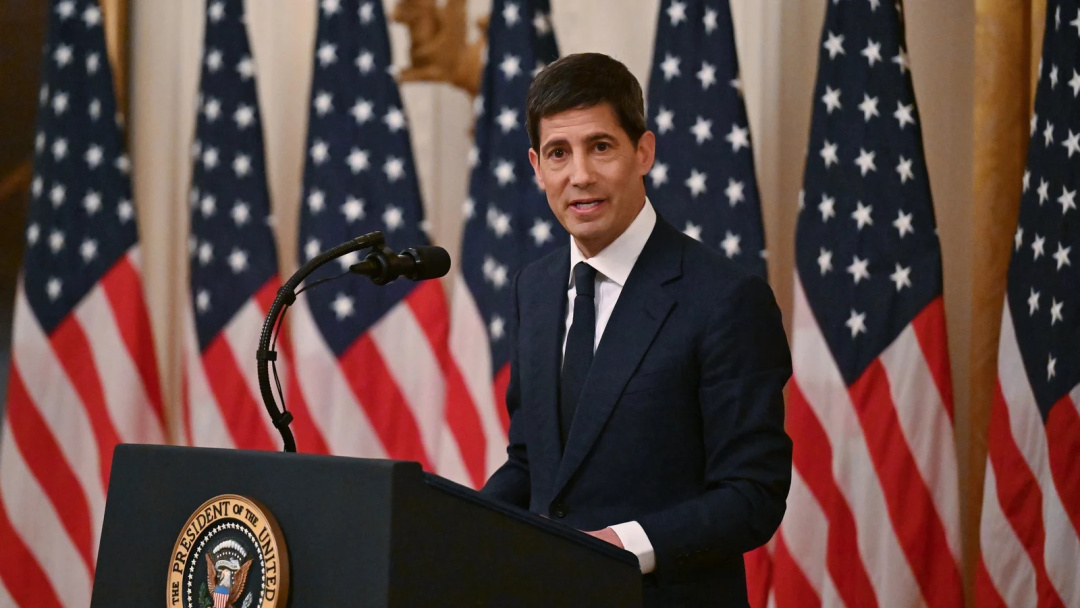
The Federal Reserve has opted to maintain interest rates at their current level, keeping the benchmark rate in the range of 3.50% to 3.75%. This decision comes amid ongoing inflation concerns, with Fed Chair Kevin Warsh reiterating the central bank's commitment to addressing inflation, which has remained above the 2% target for over five years. During a press conference, Warsh emphasized that the Fed would not waver in its efforts to manage inflation, although he refrained from providing specific guidance on future actions.
Warsh acknowledged the complexities of the current economic landscape, noting that while inflation has been reaccelerating due to rising global fuel and food prices and increased business spending linked to artificial intelligence, a rate hike is not necessarily the immediate solution. He stated, "We are on the job, we will deliver, we are focused like a laser on making sure we can do it," but cautioned against the notion that the Fed could resolve these issues with a simple solution.
Market Reading & Resources
Sponsor funding complete. Trade on.
The decision to hold rates steady was not unanimous, as three members of the Federal Open Market Committee (FOMC) dissented, advocating for a quarter-percentage-point increase. Michael Feroli, chief US economist at JP Morgan, remarked on the ambiguity of Warsh's statements, suggesting they lacked a clear macroeconomic perspective.
Warsh's colleagues, including the dissenting leaders from the Cleveland, Dallas, and Minneapolis regional banks, will be free to express their views following the meeting. While he did not specify the next steps for monetary policy, Warsh emphasized the importance of the committee's decisions and their potential impact on the economy. He noted that bond yields had risen since the last meeting, indicating that investors are anticipating rate increases, although he welcomed this market behavior without suggesting the Fed needed to act in response.
The yield curve has shown notable changes, with shorter-dated yields rising more sharply than those for longer-dated bonds, reflecting market expectations regarding Fed policy. Recently, the yield on the inflation-sensitive 30-year bond surpassed 5.20%, a level not seen since mid-2007.
Looking ahead, the Fed will receive two new monthly reports on the job market and inflation before its next meeting. Analysts predict that the FOMC may raise rates by 25 basis points in September unless there is a significant downturn in the labor market or core inflation approaches the 2% target, which is not anticipated in the upcoming readings.
By keeping rates steady, Fed policymakers may be signaling that current borrowing costs are sufficient to curb inflationary pressures, particularly those not expected to diminish naturally, such as tariffs on goods. Warsh has previously indicated that advancements in productivity, particularly through AI, could enable the economy to grow without exacerbating inflation.
Prior to this week's meeting, financial markets had priced in a one-in-three chance of a rate hike, and following the Fed's decision, the likelihood of an increase in September rose to approximately 57%, according to CME Group's FedWatch tool.