Trump Promises Retaliation After Iran's Missile Attack on US Forces
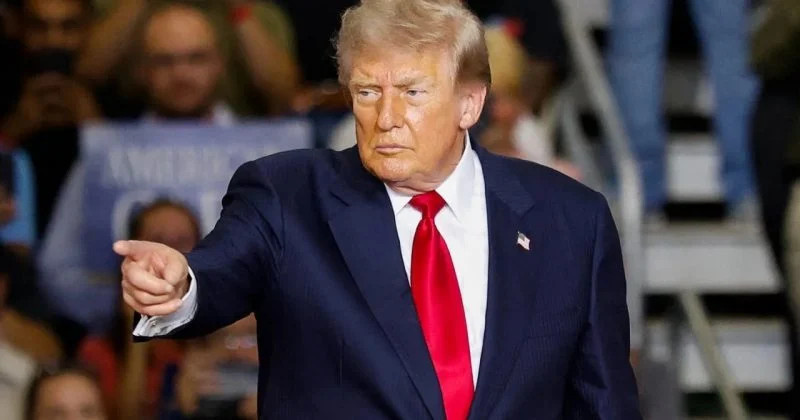
Iran launched a missile attack on US forces stationed in Jordan on July 29, prompting President Trump to vow a strong retaliation. His declaration that the US would hit Iran "very hard" has stirred anxiety in the markets, particularly affecting oil prices, which spiked sharply following the news. This incident marks a significant escalation, as it is the second major attack on US personnel in the region in less than a year, following a similar strike in December 2025 that targeted forces in Syria.
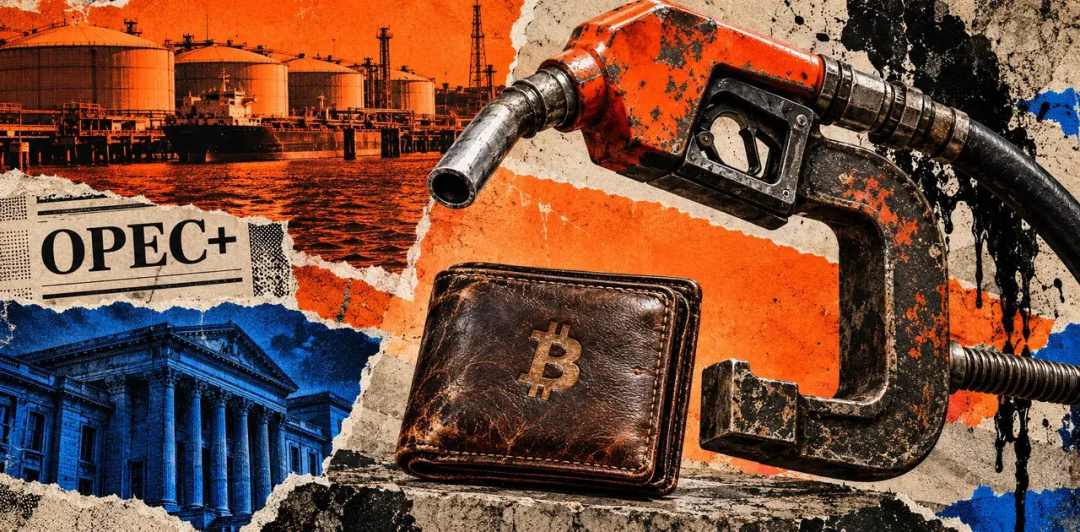
Trump's remarks left little room for diplomatic interpretation, leading to immediate market reactions. Oil prices typically respond to threats of disruption in the Strait of Hormuz, a critical passage for global oil supply. The recent spike in oil prices reflects this pattern, as traders anticipate potential supply chain disruptions.
Market Reading & Resources
Sponsor funding complete. Trade on.
Despite the heightened tensions, major crypto media outlets have yet to comment on the implications for digital assets. This silence suggests uncertainty in the cryptocurrency market regarding whether the situation will favor Bitcoin or lead to bearish trends. Analysts emphasize that the trajectory of oil prices will be crucial in determining inflationary pressures, which could influence decisions by the Federal Reserve and other central banks.
For cryptocurrency traders, monitoring stablecoin inflows to exchanges is essential in the coming days. An increase in stablecoin deposits without immediate purchases indicates that traders are preparing for potential market movements but have not yet committed to a specific direction. This situation is particularly noteworthy given the evolving landscape of cryptocurrency investments, including spot ETFs and corporate treasury allocations. The response of the crypto market to this military escalation may differ significantly from past incidents, reflecting the growing complexity of the financial ecosystem.