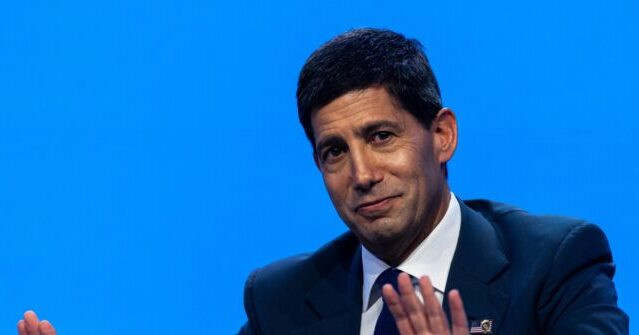
Fed Chair Kevin Warsh Defends Steady Rates Amid Ongoing Inflation
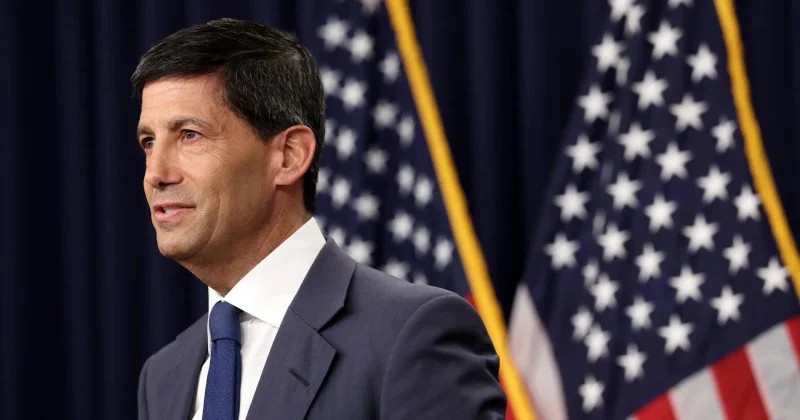
Federal Reserve Chairman Kevin Warsh has publicly defended the decision to keep interest rates steady in the 3.5%-3.75% range during the Federal Open Market Committee's meeting on July 29. The decision, which resulted in a 9-3 vote, saw three officials dissenting in favor of a rate hike, reflecting growing concerns within the Fed about persistent inflation, which has remained above the 2% target for over five years. Factors contributing to this inflation include supply chain disruptions, geopolitical tensions, and a surge in demand driven by the AI investment boom.
Warsh clarified that maintaining the current rates is a strategic choice rather than a sign of inaction. He stated, "This Fed will not waver," highlighting the need for a measured approach to address the ongoing inflationary pressures. The Fed had previously implemented three rate cuts in late 2025 in response to what appeared to be a cooling economy, but the anticipated slowdown did not materialize in 2026, leading to the current hold on rates.
Market Reading & Resources
Sponsor funding complete. Trade on.
This latest decision marks the fifth consecutive time the Fed has opted to hold rates steady, with Warsh's leadership now reflecting a commitment to a cautious yet proactive monetary policy. The low unemployment rate and strong economic growth have complicated the Fed's efforts to control inflation, prompting Warsh to establish task forces aimed at responding to evolving market conditions.
The dissenting votes signal a significant concern among some Fed officials that the current rate may not be sufficient to effectively combat inflation. In a higher interest rate environment, speculative assets, including cryptocurrencies like Bitcoin, may face increased opportunity costs as risk-free yields rise.
Market participants had largely anticipated the rate hold, but the 9-3 vote introduces a more hawkish outlook that traders should consider. The ongoing AI investment boom is also noteworthy, as it competes for investment capital that could otherwise flow into digital assets. Warsh's proactive task forces could lead to various responses, including regulatory adjustments or emergency rate actions if market conditions deteriorate.