Fed Chair Warsh Highlights AI Investment as Key to Economic Growth
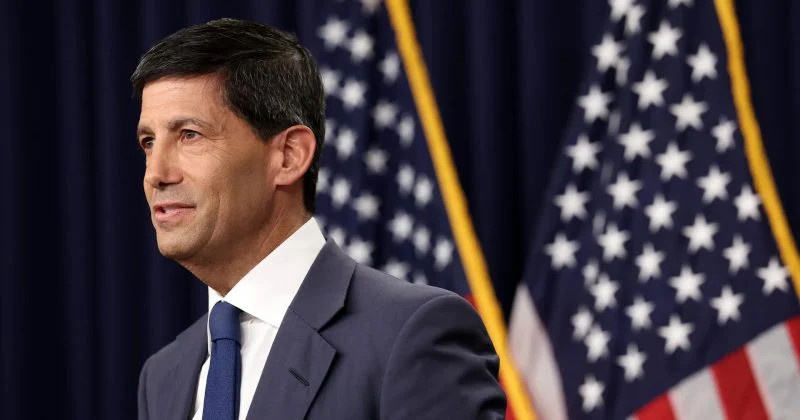
During a recent testimony before the Senate Banking Committee, Federal Reserve Chair Kevin Warsh discussed the substantial growth in AI investment, asserting that it represents a genuine economic advancement rather than a speculative bubble. He highlighted a nearly 25% increase in high-tech spending in the first quarter of 2026, largely fueled by data center construction and AI infrastructure projects from major tech firms such as Amazon, Meta, Microsoft, and Alphabet. Warsh emphasized that this trend signifies a shift towards capital expenditure that will enhance the economy's productive capacity over time.
Warsh countered inflation concerns by explaining that one-time price increases associated with AI demand, such as the rising costs of GPUs and electricity for data centers, should not be mistaken for persistent inflation. He expressed confidence that supply-side responses, including the construction of chip fabrication plants and the expansion of energy capacity, will alleviate these price pressures in the near future.
Market Reading & Resources
Sponsor funding complete. Trade on.
In his testimony, Warsh revealed that the Federal Reserve has established task forces dedicated to studying the implications of AI on jobs, productivity, and monetary policy. These task forces were reportedly formed shortly before his appearance on July 15. Warsh conveyed an optimistic outlook regarding employment, suggesting that AI could ultimately create more jobs than it displaces.
He also noted that AI investments will likely be incorporated into broader investment categories in the future, rather than being tracked as a distinct phenomenon. Additionally, Warsh disclosed his personal investments in several cryptocurrency-related entities, including Polychain and dYdX, which are linked to networks like Solana and Optimism. This connection to the prediction market indicates a growing consumer optimism around AI firms, such as Anthropic, aligning retail sentiment with institutional capital flows.