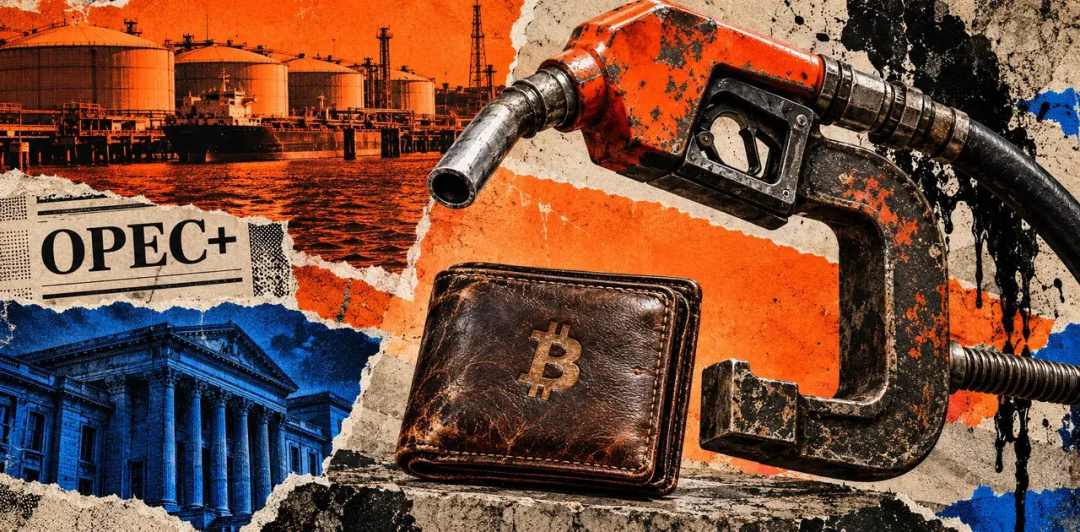
Netanyahu and Trump Discuss Iran Deal, Impacting Crypto Markets
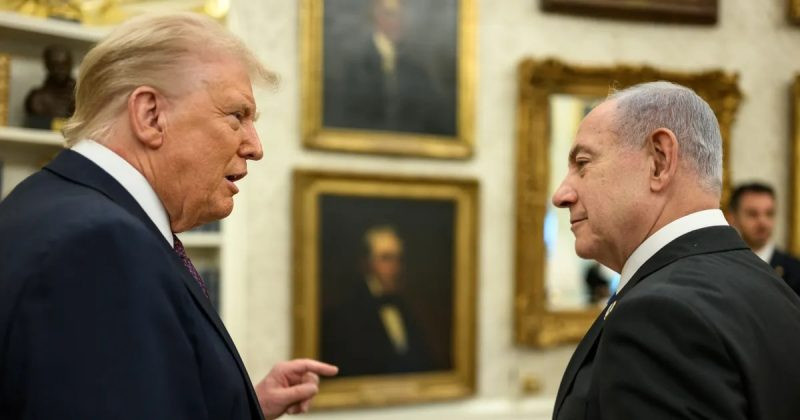
Israeli Prime Minister Benjamin Netanyahu met with President Donald Trump in the Oval Office on July 28 for a 90-minute discussion centered on the Iran nuclear deal. Netanyahu conveyed his doubts about Tehran's willingness to accept meaningful constraints on its nuclear program, advocating for heightened economic sanctions and military readiness. He underscored Israel's right to act independently if necessary. Despite the serious nature of the talks, both leaders emerged with a positive tone, with Netanyahu describing the conversation as one of his best with Trump. Their shared goal remains to prevent Iran from developing nuclear weapons.
The meeting comes amid escalating tensions between the U.S. and Iran, a situation that has been intensifying since the beginning of the year. This dialogue marks another chapter in ongoing discussions about Iran's nuclear ambitions. Historically, instability in the Middle East has led to fluctuations in oil prices, and recent developments have already shown signs of impacting Brent crude prices. Rising energy costs typically lead to increased inflation expectations, which can have broader economic implications.
Market Reading & Resources
Sponsor funding complete. Trade on.
Bitcoin, currently trading around $64,000, is often viewed as a hedge against inflation. In times of geopolitical uncertainty, trading volumes for Bitcoin and other risk assets tend to rise as investors reassess their positions. Previous diplomatic efforts, particularly the 2015 Joint Comprehensive Plan of Action (JCPOA), have either failed or been abandoned, especially after the U.S. withdrawal under Trump’s administration. Netanyahu's public skepticism regarding a potential deal suggests that the window for diplomacy may be closing further.
The immediate takeaway from the Netanyahu-Trump meeting is the alignment of U.S. and Israeli strategies towards a more aggressive stance on Iran, diminishing the likelihood of a negotiated settlement in the near future. For those involved in the cryptocurrency market, fluctuations in oil prices are crucial to monitor, as they serve as a direct link between Middle Eastern geopolitics and global financial markets. Sustained increases in oil prices could bolster Bitcoin's appeal as an inflation hedge, positioning it for potential significant movements driven by macroeconomic factors rather than developments within the crypto sector itself.