Federal Reserve Maintains Rates Amid Rising Inflation Concerns
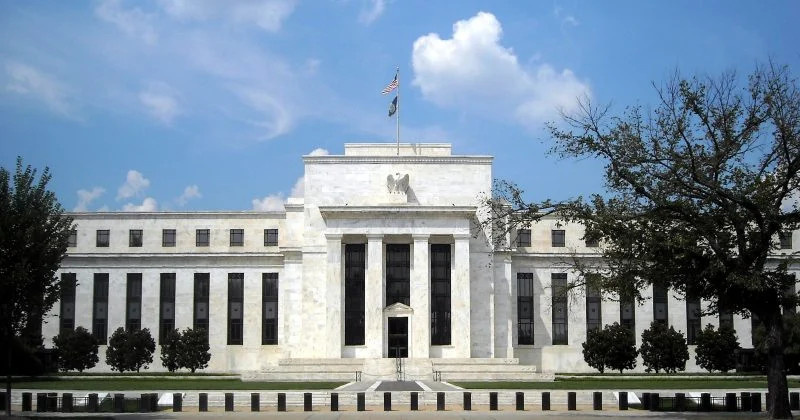
The Federal Reserve is facing ongoing inflation challenges as it approaches its next policy meeting. The central bank has maintained the federal funds rate at 3.50–3.75% following a series of rate cuts in 2025. Recent data indicates that the Fed has limited flexibility to adjust rates without risking economic missteps. A significant concern emerged from the Fed's revised Personal Consumption Expenditures (PCE) inflation forecast, which jumped from 2.7% to 3.6%, indicating that the Fed's earlier optimism about reaching its 2% inflation target is increasingly difficult to support.
In June, the Consumer Price Index (CPI) provided a brief respite, falling 0.4% month-over-month. This decline eased some pressure on the narrative of potential rate hikes, reducing the likelihood of a July increase from approximately 42% to nearly zero. However, the Fed is navigating a complex situation: while monthly CPI figures are softening, the medium-term PCE projections are trending upward, suggesting that inflation may be higher than previously anticipated over the next year.
Market Reading & Resources
Sponsor funding complete. Trade on.
This environment is challenging for risk assets, including cryptocurrencies. Following the June Federal Open Market Committee (FOMC) meeting, Bitcoin experienced a decline of 2–4%, with Ethereum facing similar pressures. As of late July 2026, Bitcoin has been trading between $63,400 and $64,800, reflecting its close correlation with broader macroeconomic sentiment.
The dynamics at play are straightforward. High interest rates make fixed-income investments more attractive, as treasury yields that keep pace with inflation can draw capital away from more volatile digital assets. Additionally, higher rates typically strengthen the dollar, which can negatively impact Bitcoin and other cryptocurrencies priced in dollars. A stronger dollar increases the purchasing power needed for international buyers to purchase crypto, thereby suppressing demand.
The opportunity cost of holding cash or bonds has shifted significantly. During the near-zero interest rate environment of 2020 and 2021, investors faced minimal returns on these assets. Now, with rates at 3.50–3.75%, investors have more appealing options, leading some to opt for safer, more stable investments over the volatility of cryptocurrencies.