Federal Reserve Chair Warsh Leaves Markets Guessing on Rate Decisions
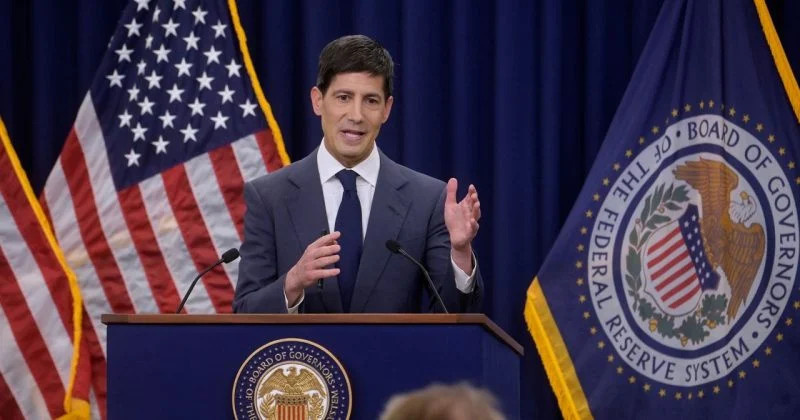
Kevin Warsh, who has been serving as Federal Reserve Chair for approximately two months, has left traders and investors in a state of uncertainty regarding future interest rate decisions. During his first meeting on June 17, 2026, the Federal Reserve held the federal funds rate steady at 3.5%-3.75%, a decision unanimously supported by all 12 voting members. Warsh's reluctance to provide clear guidance has resulted in a guessing game among market participants, a situation not seen in recent years.
In early July, Warsh made one of his few public comments about the Fed's rate path, indicating that the committee would engage in a "good family fight" in the upcoming weeks. His confirmation by the Senate on May 12, 2026, came after a narrow 51-45 vote, and he was not the consensus choice for the position. Warsh previously served as a Fed governor during the 2008 financial crisis and is known for his skepticism toward the central bank's more experimental policies.
Market Reading & Resources
Sponsor funding complete. Trade on.
The ambiguity surrounding Warsh's communication has led to divided expectations for the July meeting, with traders unable to agree on a single outcome. This uncertainty is reflected in increased volatility across various asset classes. While Warsh has previously referred to Bitcoin as "software pretending to be money," he has shown support for the idea of a US digital dollar and is generally favorable toward blockchain technology.
The lack of forward guidance from Warsh means that traditional methods of interpreting signals from the Fed are less effective. Investors are advised to pay close attention to the composition of Federal Open Market Committee dissents, as the unanimous decision in June may not be repeated in July. The inflation data released before the next meeting will be crucial, as any unexpected increases in the Consumer Price Index or Personal Consumption Expenditures could lead to a surge in rate-hike expectations, impacting risk assets, including cryptocurrencies.