BEA to Revise PCE Index, Potentially Lowering Core Inflation Figures
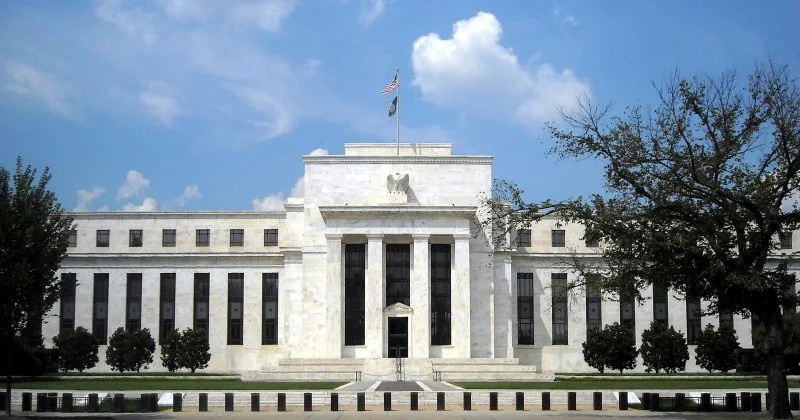
The Bureau of Economic Analysis (BEA) is preparing to revise its calculation of the Personal Consumption Expenditures (PCE) price index, a key metric used by the Federal Reserve to guide interest rate decisions. This revision, which will adjust how the BEA measures specific components of consumer spending, is expected to lower core inflation readings by as much as 0.2 percentage points. The changes will be implemented as part of the agency's annual GDP revisions, scheduled for September 30, 2026, and will retroactively affect data going back to 2021, effectively altering five years of inflation history.
The BEA's updates will focus on three areas: portfolio management and investment advice services, legal services, and computer software and accessories. These adjustments aim to better reflect current consumer spending habits, as the previous methodology did not fully account for the evolution of these sectors. According to Goldman Sachs, the revised core PCE figure for May 2026 could be adjusted to 3.2%, down from the currently reported 3.4%. Meanwhile, JPMorgan forecasts a slightly higher revised number of 3.3%.
Market Reading & Resources
Sponsor funding complete. Trade on.
As of June 25, 2026, the headline PCE price index stood at 4.1% year-over-year. While a core PCE reading of 3.2% instead of 3.4% does not automatically lead to interest rate cuts, it alters the discussion within the Federal Open Market Committee (FOMC). If the Fed perceives inflation as moderating, even if due to statistical adjustments rather than actual price declines, it may create opportunities for a more dovish stance on monetary policy.
The retroactive nature of these revisions adds complexity to the situation, as they will reshape the narrative surrounding the post-pandemic inflation surge. Despite the potential adjustments, a headline PCE reading of 4.1% remains significantly above the Fed's target of 2%. Core PCE figures, whether at 3.4% or a revised 3.2%, indicate that underlying price pressures are still high, even after excluding volatile food and energy costs.
If Federal Reserve Chair Jerome Powell and the FOMC decide to use the revised data as a basis for maintaining current interest rates or signaling future cuts, this could have implications for Bitcoin and other digital assets. Historically, cryptocurrency markets have shown a strong inverse correlation with interest rate expectations, suggesting that any shifts in Fed policy could influence crypto valuations significantly.