Federal Reserve Maintains Rates Amid Rising Inflation and Oil Prices
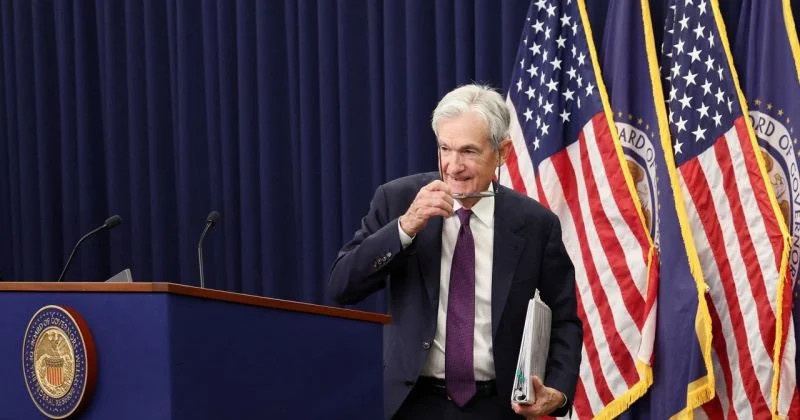
The Federal Reserve concluded its July 28-29 meeting by maintaining the federal funds rate at a target range of 3.5%-3.75%, marking the fifth consecutive meeting without a change. This decision comes as inflation remains elevated at 4.1%, compounded by rising oil prices, which have led markets to price in an 80% likelihood of a rate hike by September 2026. The announcement was made at 2 p.m. ET on July 29, aligning with expectations.
Fed Chair Kevin Warsh has been adjusting the Fed's forward guidance, opting for a more flexible approach in light of persistent inflation that exceeds the 2% target. This strategy aims to avoid being constrained by previous statements, allowing the Fed to respond more effectively to changing economic conditions.
Market Reading & Resources
Sponsor funding complete. Trade on.
The minutes from the June FOMC meeting revealed a split among committee members regarding future rate adjustments. While all members agreed to hold rates steady, some advocated for a quicker tightening approach, while others preferred to exercise patience. This internal debate reflects the complexities of managing inflationary pressures.
Oil prices have emerged as a significant factor in the inflation equation, influencing transportation costs, manufacturing inputs, and ultimately consumer prices. The anticipated 80% chance of a rate increase by September indicates market sentiment about the Fed's next steps. The five consecutive pauses have provided the Fed with some breathing room, but this window may close if inflationary pressures do not subside.
Ahead of the Fed's announcement, Bitcoin was trading between $64,300 and $64,400, with altcoin performance showing mixed results, suggesting that the broader cryptocurrency market is already factoring in the uncertainty surrounding the Fed's decisions. Should inflation indicators show signs of cooling before September, the likelihood of a rate hike could diminish, providing some relief for risk assets. Conversely, if inflation remains high or accelerates, the probability of an increase could rise further.
Traders monitoring the FOMC are encouraged to focus less on the rate decision itself and more on any shifts in the language regarding inflation risks and the labor market. In this environment of reduced guidance under Warsh, each word in the Fed's statements becomes a critical signal for market participants to interpret.