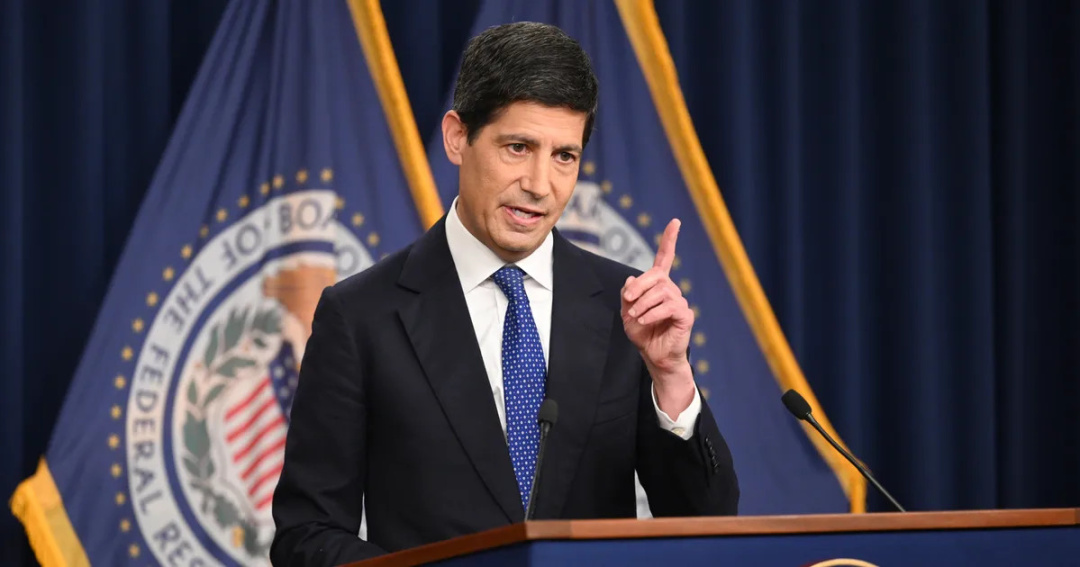
Federal Reserve Faces Key Interest Rate Decision Amid Economic Pressures
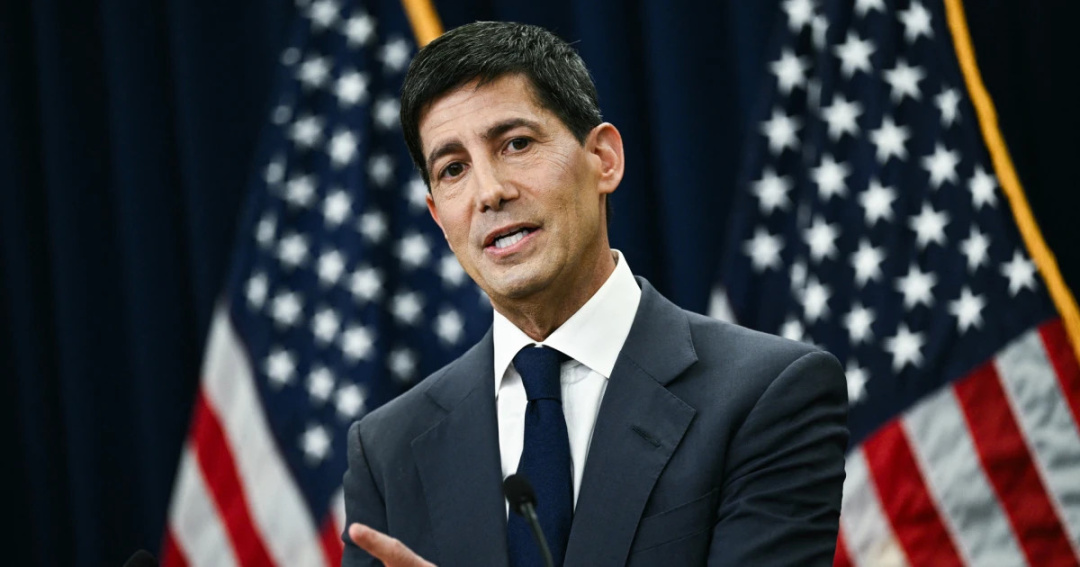
The Federal Reserve is set to make a crucial decision regarding interest rates as it approaches its rate-setting vote. Despite a relatively stable labor market, concerns are mounting over inflationary pressures stemming from the prolonged conflict in Iran and recent tariff policies introduced by the Trump administration. Current expectations among interest rate traders indicate that the Federal Open Market Committee (FOMC) will likely keep the Fed Funds Rate steady at approximately 3.6%, a level it has maintained since December. However, there is a possibility that the committee may consider a rate increase.
For many consumers and small businesses, the existing interest rates have already made borrowing increasingly difficult, impacting sales of financed goods such as automobiles and industrial equipment. Inflation has consistently exceeded the Fed's target of 2% for over five years, contributing to an affordability crisis. Although some recent indicators suggest a decline in inflation, prices for energy and wholesale goods remain high. Dallas Federal Reserve President Lorie Logan emphasized the strain on American budgets due to persistent above-target inflation, advocating for a modest increase in rates.
Market Reading & Resources
Sponsor funding complete. Trade on.
Historically, the Fed has raised rates to temper economic activity and control inflation. With inflation remaining stubbornly high, many market participants are calling for higher rates to exert downward pressure on price increases. According to CME FedWatch, there is a 90% probability that rates will rise by at least 0.25% before January.
A critical question looms over the upcoming meeting: how effective would a rate increase be in combating inflation? Experts suggest that current inflation may be less responsive to higher interest rates than in previous years. Factors such as elevated energy prices due to the Iran conflict and the impact of tariffs are likely to keep consumer prices high. Adam Turnquist, chief technical strategist at LPL Financial, noted that raising interest rates would not resolve geopolitical issues.
The communication style of Federal Reserve Chairman Kevin Warsh, who succeeded Jerome Powell in May, has also contributed to uncertainty regarding the Fed's monetary policy direction. Warsh has refrained from providing clear guidance, leading to frustration among market participants. Greg Daco, chief economist at EY-Parthenon, remarked that Warsh's communication approach has prompted other policymakers to speak more decisively about the need for rate increases.
Despite the prevailing sentiment for higher rates, some analysts express optimism that inflation may have peaked. Angelo Kourkafas, a senior investment strategist at Edward Jones, pointed to cooling housing-related inflation and wage growth that does not contribute to inflation when adjusted for productivity gains. He also noted that the new tariffs align with previous levels and may not significantly impact goods prices.
President Trump's latest tariffs, which impose rates between 10% and 12.5% on various trade partners, continue his protectionist policies but introduce new uncertainties into key economic relationships. Several affected countries have challenged the rationale behind these tariffs in federal court, creating legal uncertainties as importers prepare for compliance. Some experts believe these tariffs may not withstand legal scrutiny, adding further unpredictability to the economic landscape.