Fed's Rate Hike Decision Looms Amid Market Speculation
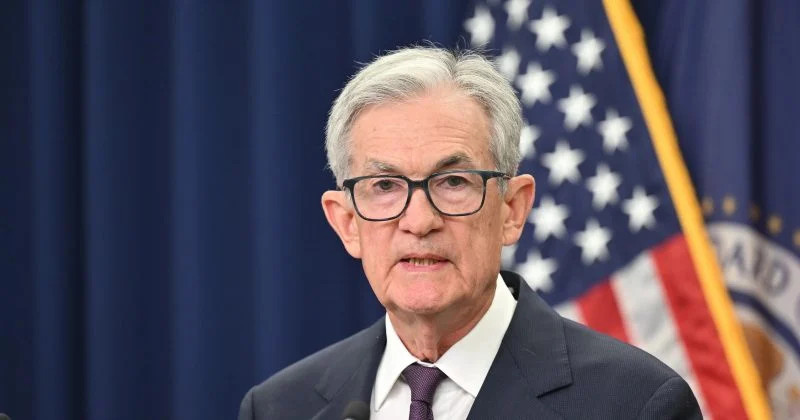
The Federal Reserve is currently holding a two-day policy meeting, with a decision on interest rates expected to be announced at 2 p.m. Eastern Time on Wednesday. Market speculation indicates a roughly one in three chance of a quarter-point increase in the benchmark rate, which has remained between 3.50% and 3.75% since December. However, many traders anticipate that the Fed will choose to keep rates unchanged.
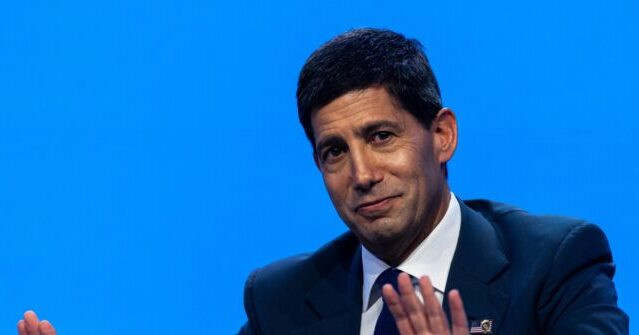
This meeting marks the second under Fed Chair Kevin Warsh, who has stressed the importance of returning inflation to the central bank's target of 2%. Despite this focus, he has not provided clear guidance on the timing of potential rate increases. A significant hurdle for a July hike is the Fed's historical tendency to follow a single rate change with additional adjustments over subsequent meetings. Former St. Louis Fed President James Bullard noted that policymakers must decide whether they are ready to commit to a series of increases rather than treating a July hike as a standalone action.
Market Reading & Resources
Sponsor funding complete. Trade on.
Recent inflation data has further complicated the case for tightening. Consumer prices rose by 3.5% year-over-year in June, a decrease from 4.2% in May. Core inflation, which excludes volatile food and energy prices, slowed to 2.6% from 2.9%. The labor market remains stable, with employers adding 57,000 jobs in June and the unemployment rate dropping to 4.2%. Wage growth of 3.5% indicates that employment conditions are not exerting significant inflationary pressure.
Despite these positive indicators, inflation has consistently exceeded the Fed's 2% target for over five years, and rising oil prices have reignited concerns about broader price pressures. Additionally, strong investment in artificial intelligence infrastructure is bolstering demand in certain economic sectors, suggesting that monetary policy may need to remain restrictive.
At the Fed's June meeting, all voting officials supported maintaining the current rate, although nine out of 18 policymakers projected that rates would be higher than their current levels by the end of 2026. Economists predict that some officials may dissent in favor of a rate increase this week, potentially setting the stage for a move in September when more data on inflationary pressures will be available.
Capital Economics has identified September as its base case for the first rate hike, as it will provide clearer evidence of whether inflation is persistent. Analysts have noted that Warsh might advocate for an immediate increase to reinforce the Fed's commitment to controlling inflation. Wrightson ICAP views the decision as uncertain but leans slightly towards a quarter-point hike rather than maintaining the current rate.
A surprise rate increase could signal the start of a conventional tightening cycle, which would be interpreted by investors as a commitment to multiple hikes rather than a temporary response to inflation. The last instance of the Fed raising rates without a subsequent increase occurred in 2015, when the central bank paused for a year before continuing its normalization efforts. The most notable isolated increase happened in March 1997, after which the Fed reversed course due to contained inflation and financial market stress.
Bank of America analysts emphasize that the critical question is not merely whether the Fed will raise rates this week, but whether officials are prepared to initiate a broader cycle that could involve at least three increases. If the Fed decides to hold rates steady, September is likely to be viewed as the next opportunity for a rate adjustment, allowing policymakers more time to evaluate inflation, energy prices, and overall economic growth.