Bank of America Warns July Fed Rate Hike Would Be Unprecedented
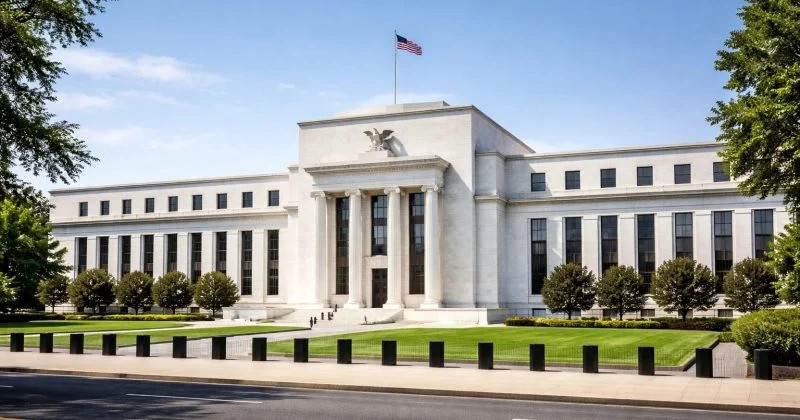
Bank of America (BofA) has highlighted that a Federal Reserve rate hike in July would be unprecedented, pointing out that since 1994, the Fed has not raised rates without markets pricing in at least a 60% probability of such an increase. Currently, market pricing indicates only a 24.8% chance of a rate hike in July. BofA maintains its expectation that the Fed will keep rates steady this month, despite some market data suggesting a slight possibility of an increase.
The bank identifies rising oil prices as a key inflationary risk that could influence its outlook on the U.S. dollar. In response to BofA's comments, market participants have begun adjusting their expectations, with the probabilities for a July rate hike showing a modest increase from previous weeks. However, the likelihood remains lower compared to anticipated hikes in later months, particularly September and October. BofA's view aligns with the broader market sentiment that significant rate changes are more likely later in the year, reflecting ongoing concerns about inflationary pressures and economic data indicators.
Market Reading & Resources
Sponsor funding complete. Trade on.
The dynamics of market pricing suggest a cautious approach, as evidenced by the relatively stable odds for a July rate hike compared to more decisive expectations for future meetings. The Federal Reserve's decision-making is expected to depend heavily on upcoming economic indicators, with BofA's analysis indicating that developments such as rising energy prices could play a crucial role in shaping monetary policy.
Observers are advised to keep an eye on forthcoming economic data releases, especially those related to inflation and employment, as these could significantly influence the Federal Reserve's stance. Any notable shifts in market pricing or official statements from Fed officials could alter current expectations for a rate hike. Additionally, fluctuations in energy markets, particularly concerning oil prices, could impact inflation forecasts and monetary policy decisions in the months ahead.