BIS Highlights Global Economic Risks Amid Inflation and AI Concerns
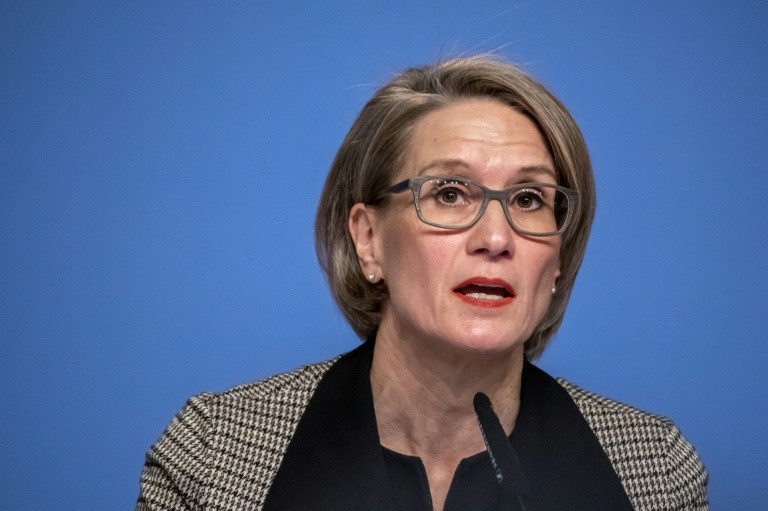
The Bank for International Settlements (BIS) has raised alarms about multiple "pressure points" in the global economy that could jeopardize financial stability. In its annual report released on Sunday, the BIS highlighted inflation driven by the Middle East conflict and the potential cooling of artificial intelligence (AI) investments as significant concerns. BIS deputy general manager Andrea Maechler stressed the urgency for monetary policymakers to act decisively to safeguard economic stability in a climate of uncertainty.
Among the four major pressure points identified, the BIS pointed to inflation linked to the ongoing war in the Middle East, which escalated following US-Israeli strikes on Tehran on February 28. This conflict has led to the closure of the Strait of Hormuz, a vital energy corridor, resulting in increased costs for essential goods such as plastics and fertilizers.
Market Reading & Resources
Sponsor funding complete. Trade on.
Additionally, the BIS expressed apprehension regarding the longevity of the AI investment boom, which has been a key driver of global growth amid various crises, including last year’s tariff increases. The report cautioned that the current surge in AI capital expenditure might be unsustainable, raising the risk of a correction in financial markets.
The BIS also noted the precarious combination of persistent financial vulnerabilities and an "exuberant risk appetite" among investors, warning that these factors could lead to abrupt market corrections. Rising public debt levels further complicate the situation, as central banks grapple with the need to raise interest rates to combat inflation while also being wary of increasing debt servicing costs that could stifle economic growth.
Maechler warned that while each of these issues could be manageable individually, their interplay could amplify risks and threaten overall financial stability. She highlighted the potential for contagion effects if tensions arise, particularly in response to shifts in interest rates or market sentiment.
The BIS also expressed concerns about the growing influence of non-bank entities, such as hedge funds, in bond markets and AI investments, advocating for enhanced regulatory oversight to ensure these players can manage the risks they undertake.
To bolster central banks' ability to respond to economic shocks, the BIS called on governments to reduce their debt levels. Maechler emphasized the importance of central banks maintaining independence to effectively fulfill their mandates, particularly in defending price stability and public confidence in monetary systems.
She acknowledged that central banks may need to make challenging decisions that lack political support, underscoring the necessity of their operational autonomy in navigating these turbulent economic waters.