Wall Street Faces Key Decisions with Big Tech Earnings and Fed Meeting
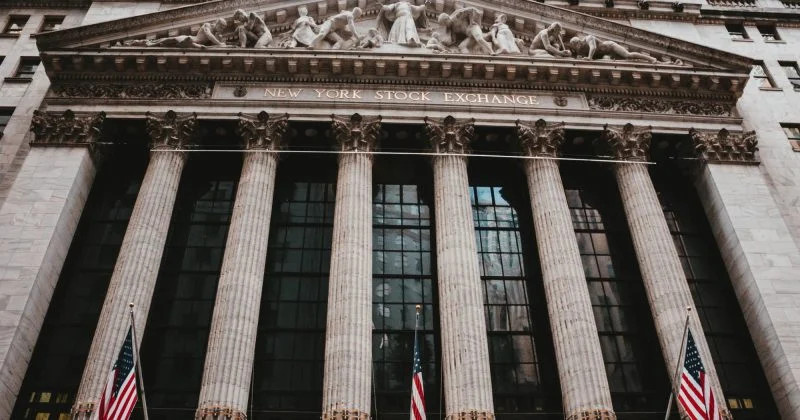
The last week of July is poised to be a pivotal moment for Wall Street, with a Federal Reserve meeting, major tech earnings, and insights into retail crypto engagement all occurring within a short timeframe. The Federal Open Market Committee (FOMC) is scheduled to meet on July 28-29, with markets anticipating a minimal chance of a rate cut. However, the remarks from Chair Jerome Powell will be crucial, as they often influence risk sentiment across various asset classes, including cryptocurrencies.
A hawkish tone from Powell could tighten financial conditions, adversely affecting speculative assets like Bitcoin and Ethereum, which have historically reacted to changes in rate expectations. Conversely, a dovish stance or hints at future rate cuts could lead to a relief rally that extends into digital assets.
Market Reading & Resources
Sponsor funding complete. Trade on.
Earnings reports from tech giants Microsoft and Meta Platforms are expected around July 29-30, with Apple and Amazon following closely. The performance of these companies, particularly those investing heavily in artificial intelligence, serves as a key indicator of broader market sentiment. Recent trends show that AI stocks and crypto tokens have become increasingly correlated, driven by similar macroeconomic factors and speculative enthusiasm.
The combined earnings from these four companies represent a significant portion of the S&P 500's market capitalization, and their results will likely set the tone for equity markets as August approaches, which in turn will influence digital asset markets.
A particularly relevant data point for crypto investors will come after the market closes on July 29, when Robinhood Markets releases its Q2 2026 earnings. In the previous quarter, Robinhood's crypto revenue plummeted by 47% year-over-year to $134 million, a decline attributed to lower trading volumes and diminished retail interest amid economic uncertainty.
Robinhood is also developing its own Ethereum Layer 2 network, Robinhood Chain, aimed at tokenizing real-world assets. By early 2026, the public testnet had processed over 100 million transactions, indicating significant developer and user interest despite the downturn in trading revenue.
This situation creates a complex dynamic for Robinhood's Q2 results. While crypto trading revenue may continue to decline, the infrastructure development through Robinhood Chain represents a long-term strategy to integrate traditional financial assets into the blockchain. How Wall Street reacts to these earnings will reveal much about the current valuation of crypto infrastructure versus speculative trading.
For digital asset investors, Robinhood's earnings will serve as a crucial indicator of retail participation in the crypto market. A stabilization or rebound in crypto revenue could suggest a renewed interest from retail traders following a cautious first quarter. Conversely, an accelerated decline would indicate that macroeconomic challenges continue to suppress the speculative activity that typically drives altcoin rallies and trading volumes across exchanges.