Federal Reserve's Inflation Policy Influences Bond Yields and Crypto Markets
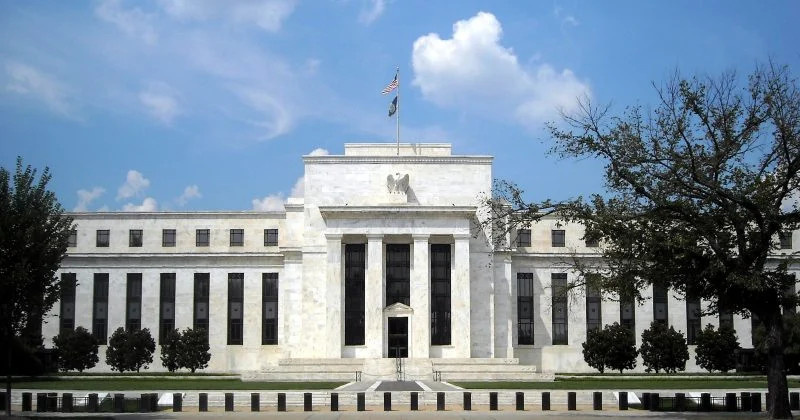
Federal Reserve Chair Kevin Warsh has made it clear that his administration will not tolerate persistent inflation, establishing a mandatory 2% inflation target since taking office on May 22, 2026. In public appearances on July 1 and July 14, Warsh reiterated his commitment to combating inflation, stating that recent price surges must become a thing of the past. He has also initiated task forces to reassess the methods the Fed uses to measure inflation.
The June 2026 Consumer Price Index data provided Warsh with early support for his stance, revealing inflation rates that were softer than anticipated. While he described this as a positive development, he cautioned that it was premature to declare victory over inflation.
Market Reading & Resources
Sponsor funding complete. Trade on.
Currently, the 10-year US Treasury yield is fluctuating between 4.41% and 4.5%, a critical benchmark that influences various financial aspects, including corporate borrowing costs and mortgage rates. Analysts predict that if inflation continues to decline, this yield could drop to around 4.25% by the end of the year. Such a decrease would likely lead to lower mortgage rates, benefiting homebuyers.
Despite these potential changes, Warsh has indicated that the Fed will maintain a cautious approach to short-term monetary policy, refraining from cutting rates or loosening conditions in the near future. If the Fed successfully convinces the markets that inflation will stabilize near the 2% target, investors may demand less compensation for holding long-duration bonds. This would shrink the inflation premium embedded in yields, resulting in rising bond prices and falling yields, which would subsequently lower lending rates tied to those yields.
As yields on safe assets like Treasuries decline, the opportunity cost of holding non-yielding assets such as Bitcoin diminishes, which typically benefits risk assets, including cryptocurrencies. The recent CPI data and Warsh's comments have already begun to influence crypto market dynamics, with reports linking the softer inflation figures and the Fed's evolving stance to movements in Bitcoin prices and ETF flows.
Warsh's initiatives to reevaluate inflation measurement methods introduce additional uncertainty into the market. Changes in how inflation is calculated could shift expectations in ways that have not yet been fully accounted for by investors. For those in the crypto space, the trajectory of the 10-year yield in relation to the anticipated 4.25% target by year-end will be a crucial factor to monitor.