Japan's Services Prices Rise 3.2% Amid Soaring Freight Costs

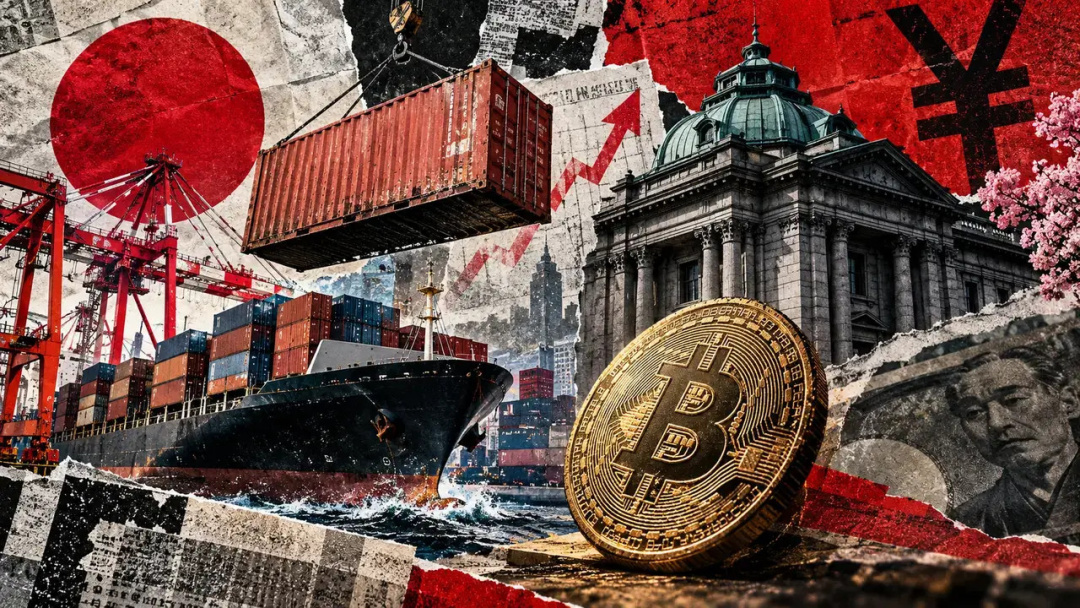
Japan's services sector is experiencing notable inflation, with the services producer price index climbing 3.2% year-on-year in June. This increase is largely attributed to a dramatic rise in freight costs, which have surged due to the ongoing conflict in Iran that has disrupted critical shipping routes. As of May, ocean freight costs rose 61.8% year-on-year, and international air passenger transportation costs increased by 17.3%, driven by escalating fuel prices linked to tensions in the Strait of Hormuz.
The conflict, which began in late February, has significantly altered global shipping routes, leading to a doubling of Asia-to-US container rates since hostilities began. The increase in insurance premiums and chartering fees in maritime shipping has compounded these costs.
Market Reading & Resources
Sponsor funding complete. Trade on.
While June's 3.2% increase in the services producer price index represents a slight cooling from May's 3.3% gain, the broader producer price index reached 7.1% year-on-year in June, marking the highest level since March 2023. This inflationary trend is raising concerns about potential rate hikes from the Bank of Japan (BOJ), which could have far-reaching effects on global markets, particularly in the cryptocurrency sector.
Japan's economy plays a crucial role in the yen carry trade, where investors borrow in yen at low rates and invest in higher-yielding assets, including cryptocurrencies and tech stocks. If the BOJ signals an intention to raise rates, it could lead to a deleveraging of these positions, as higher borrowing costs in yen would force investors to close leveraged positions, potentially triggering a sell-off across various asset classes.
Market analysts are now factoring in the likelihood of additional BOJ rate hikes in response to the inflationary pressures reflected in producer prices. The last significant unwinding of the carry trade in August 2024 saw Bitcoin drop approximately 15% within days, and current conditions appear to be even more inflationary.
As the BOJ considers tightening monetary policy, a stronger yen could result, further exacerbating the deleveraging of carry trades and impacting risk assets, including cryptocurrencies. Companies within the digital asset space that rely on international logistics are particularly vulnerable to these rising freight costs, which directly affect their profit margins. Crypto mining operations that import hardware, exchanges with global operations, and Web3 companies dependent on cross-border supply chains are all facing increased input costs due to the surge in freight prices.