Fed Chair Kevin Warsh Keeps Rates Steady Amid Inflation Concerns
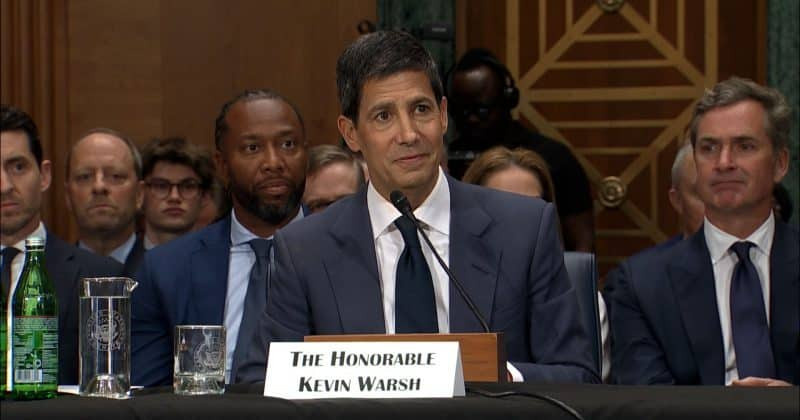
Kevin Warsh's inaugural Federal Open Market Committee (FOMC) meeting as chair concluded with the federal funds rate held steady at 3.5% to 3.75%. This decision, made on June 17, 2026, marks the fourth consecutive meeting without a change in rates. Warsh, who took office on May 22, 2026, faces a challenging inflation landscape, with the Personal Consumption Expenditures (PCE) index recently exceeding 4%, significantly above the Fed's 2% target.
The FOMC acknowledged ongoing inflation pressures, which are exacerbated by economic uncertainties and geopolitical tensions, particularly in the Middle East. Currently, nine out of eighteen committee members project at least one rate hike before the end of 2026, indicating a shift towards a more hawkish stance compared to previous easing expectations.
Market Reading & Resources
Sponsor funding complete. Trade on.
During his confirmation, Warsh revealed investments in over 30 crypto-related projects, including notable tokens like Solana and Optimism. He has referred to Bitcoin as an "important asset" akin to gold and emphasized the necessity of integrating digital assets into the financial system to enhance investment opportunities and consumer protections.
The current economic climate, characterized by a federal funds rate of 3.5% to 3.75% and potential for increases, creates a challenging environment for crypto assets. The elevated opportunity cost of holding non-yielding assets like Bitcoin may deter investors, especially with inflation remaining above the target.
Investors in the crypto space should closely monitor upcoming PCE and Consumer Price Index (CPI) readings, as these will be pivotal in determining whether the hawkish sentiment within the FOMC gains traction. If inflation persists or accelerates, the likelihood of a rate hike increases. Additionally, Warsh's belief in the role of digital assets in the financial system could lead to more favorable banking guidance, clearer token classifications, and potentially less stringent regulatory enforcement from related agencies. As the Fed navigates these complexities, the implications for the crypto market remain significant.