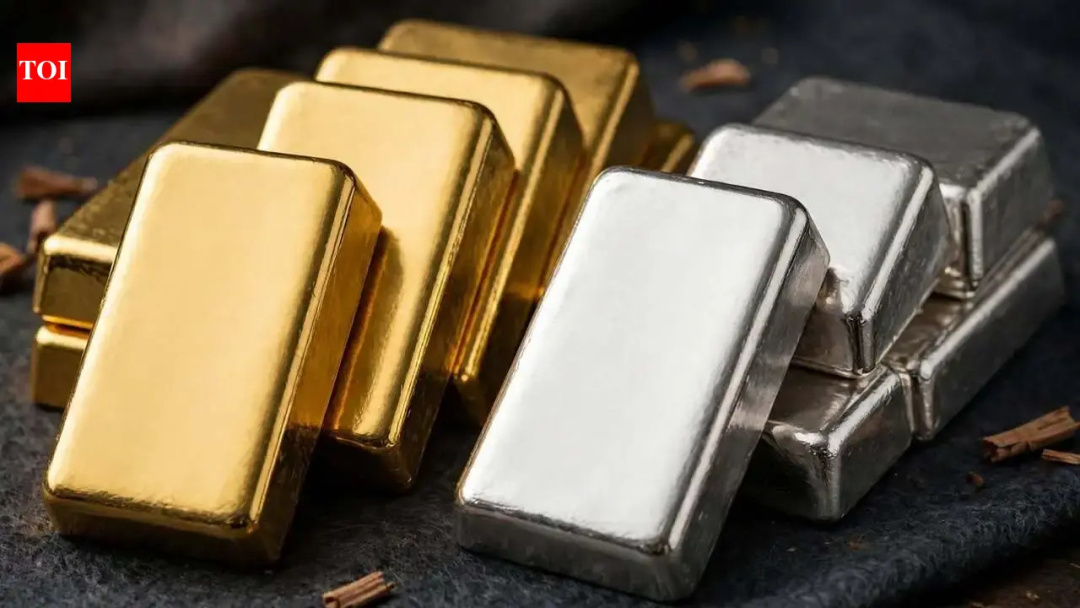
Gold Prices Rise Over 1% Amid Easing Middle East Tensions
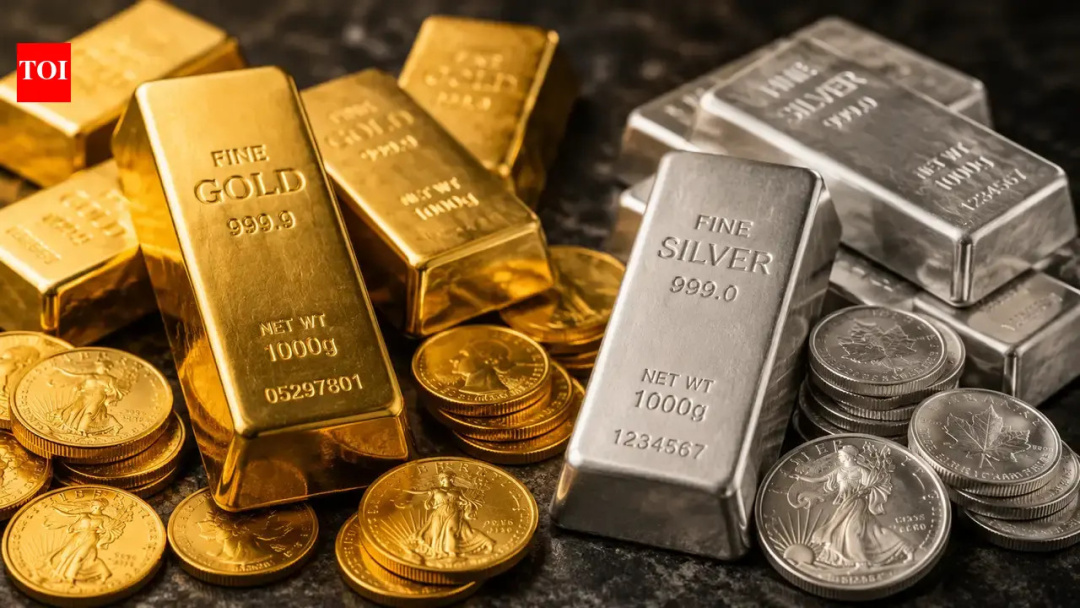
Gold prices experienced a notable increase of over 1% in early trading, driven by hopes of de-escalation in tensions between the US and Iran, which resulted in lower crude oil prices and eased inflation concerns. Spot gold rose 1.4% to $4,110.56 an ounce, while US gold futures advanced 1% to $4,112.10. Analysts pointed out that the combination of declining oil prices and a weaker US dollar has created a favorable environment for gold. Tim Waterer, chief market analyst at KCM Trade, stated that gold is benefiting from the dual price movements in oil and the US dollar, both of which have dropped amid easing geopolitical tensions.
International bullion markets showed resilience in the previous week, despite fluctuations driven by geopolitical developments. Comex gold futures for August delivery increased by $52, or 1.3%, settling at $4,070.80 an ounce in New York. Silver prices saw even stronger momentum, with the September contract rising nearly 5% to $58.90 an ounce. Analysts attributed this recovery to the easing of crude oil prices after an initial surge caused by concerns over energy supply disruptions. This rebound indicates that investors are still seeking exposure to precious metals amid ongoing uncertainty in financial markets.
Market Reading & Resources
Sponsor funding complete. Trade on.
Geopolitical factors, particularly the US-Iran conflict, continue to influence sentiment in the precious metals market. Despite the recent decline in oil prices, analysts note that geopolitical uncertainty has maintained safe-haven demand for gold and silver. Last week, Brent crude briefly surpassed the $100-a-barrel mark due to Houthi strikes on Saudi-owned vessels, raising concerns over potential supply disruptions. However, prices cooled by 5% as signs of peace emerged between the nations.
The recent fluctuations in oil prices underscore how quickly geopolitical events can impact inflation expectations and investor behavior. Market experts caution that any escalation in regional tensions or new disruptions to global energy supplies could once again drive demand for gold and silver as defensive investment options.
Looking ahead, the US Federal Reserve's upcoming monetary policy decision is anticipated to be a significant factor influencing gold and silver prices. Investors are closely monitoring not only the interest rate announcement but also the Fed's outlook on inflation and economic growth. Any indication of future rate cuts or a more dovish policy stance could enhance the appeal of non-yielding assets like gold. Conversely, a hawkish tone from the Fed may strengthen the US dollar and Treasury yields, potentially limiting gains in bullion. Market participants will also be analyzing comments from Federal Reserve Chair Kevin Warsh following the policy announcement for insights into the future trajectory of interest rates and their implications for precious metal prices.