Australian Petrol Prices Rise Sharply After US-Iran Talks Fail
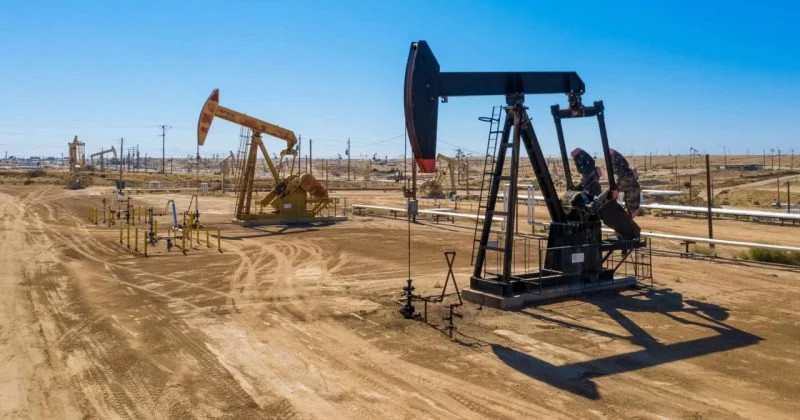
Australian petrol prices surged last week, recording the largest single-week increase since the height of US-Iran hostilities. This spike occurred after diplomatic talks between Washington and Tehran collapsed in mid-April, failing to produce a ceasefire agreement. The breakdown of negotiations has reignited fears of oil supply disruptions through the Strait of Hormuz, a critical passage that facilitates about 20% of global oil shipments. In response, Brent crude oil prices rose 5.7% to $95.50 per barrel, which has a direct impact on fuel prices in Australia, a nation that imports most of its fuel.
Prior to this surge, petrol prices had dipped over 5% to A$2.40 per litre in the week leading into early April, marking the first significant decline since February. Diesel prices have also seen a dramatic increase, reaching nearly A$3.13 per litre, a record high before slightly retreating. The rise in diesel prices is particularly concerning as it affects freight, agriculture, and construction, leading to increased costs across various sectors.
Market Reading & Resources
Sponsor funding complete. Trade on.
The Strait of Hormuz, at its narrowest point, is approximately 33 kilometers wide and is bordered by Iran, making it a focal point for global oil supply concerns. During this period of geopolitical tension, Bitcoin fluctuated between $63,000 and $74,000, while other cryptocurrencies like Ether and Solana mirrored these trends, with the broader crypto market declining in response to rising energy prices.
The collapse of the ceasefire talks has become a critical factor in oil price stability, complicating the economic landscape. Australia's central bank faces the challenge of managing persistent price pressures while avoiding unnecessary economic tightening. A sustained increase in fuel prices poses a significant challenge, as energy costs directly influence headline Consumer Price Index (CPI) figures, which in turn affect interest rate expectations.