Singapore Tightens Monetary Policy Amid Rising Inflation Risks
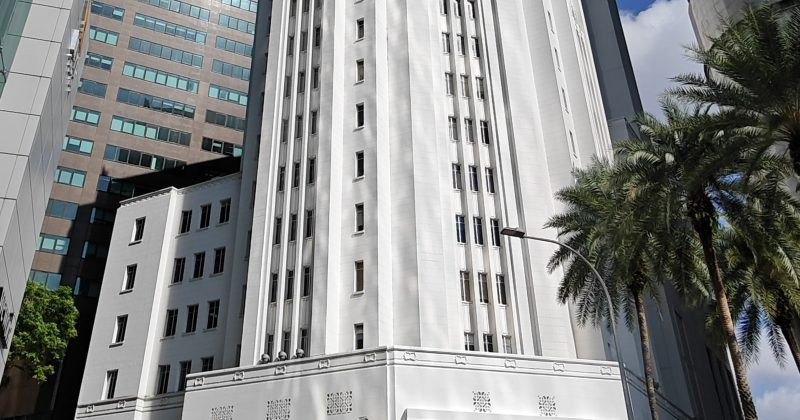
On April 14, 2026, the Monetary Authority of Singapore (MAS) implemented a tightening of its monetary policy for the first time in four years, adjusting the slope of the Singapore dollar nominal effective exchange rate policy band. This action comes in response to surging energy prices, particularly driven by geopolitical tensions in the Middle East, which have led to increased costs for crude oil, natural gas, and fuel. As a result, MAS raised its core inflation forecast to a range of 1.5% to 2.5%, up from the previous estimate of 1.0% to 2.0%.
Unlike the Federal Reserve and the European Central Bank, which adjust interest rates, MAS focuses on managing the exchange rate of the Singapore dollar against a trade-weighted basket of currencies. By steepening the slope of the S$NEER band, MAS aims to allow the Singapore dollar to appreciate more rapidly, thereby making imports cheaper and alleviating inflationary pressures.
Market Reading & Resources
Sponsor funding complete. Trade on.
This policy shift is also supported by Singapore's robust economic performance, with Q2 2026 GDP growth reported at 5.7% year-on-year, exceeding expectations and providing MAS with further justification for tightening. Given that Singapore imports nearly all of its energy, the country is particularly vulnerable to sustained commodity price shocks, which is reflected in the revised CPI-All Items inflation forecast.
Looking ahead, analysts predict that MAS will maintain its current stance during its next scheduled policy statement on July 27, 2026. Despite some inflation indicators showing subdued trends through June, the persistent high oil prices and strong GDP growth add complexity to the economic outlook.
Interestingly, MAS did not address cryptocurrencies or digital assets in its recent policy announcement, which is notable considering Singapore's active role in regulating the crypto sector in Asia. For investors in the cryptocurrency market, the tightening of monetary policy signals a return of energy-driven inflation concerns for Asian central banks. The key factor to monitor will be the trajectory of oil prices, as traders in Asian crypto markets will need to keep an eye on energy futures alongside the upcoming MAS statement.