Treasury Yields Signal Fed Chair Warsh Needs to Adjust Rates
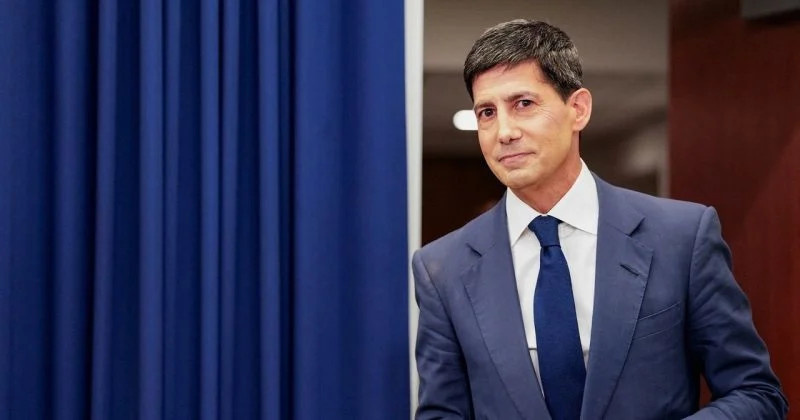
The bond market is sending a clear signal to Federal Reserve Chair Kevin Warsh: current monetary policy may be too loose. Treasury yields have surged past the Fed's policy rate, with two-year yields climbing to between 4.15% and 4.37%, well above the Fed's target range of 3.5% to 3.75%. The 10-year yield has also increased, reaching 4.71%. This situation indicates that the market is pricing in potential rate hikes that the Fed has yet to commit to. Market expectations now suggest that a 25-basis-point hike could occur by October 2026, a notable shift from earlier in the year when traders were still considering the possibility of rate cuts.
In his first FOMC meeting as chair in June 2026, Warsh opted to keep rates steady but made a significant rhetorical change by removing forward guidance language that hinted at potential rate cuts. His first post-FOMC press conference was characterized by analysts as hawkish, marking a departure from the cut-bias language of the previous chair, Jerome Powell. Warsh, a former Fed governor, has shown a favorable stance toward cryptocurrencies, particularly Bitcoin, making his leadership particularly relevant for crypto markets.
Market Reading & Resources
Sponsor funding complete. Trade on.
The rise in Treasury yields tends to draw investors away from riskier assets. With a 10-year government bond yielding 4.7%, the opportunity cost of holding volatile assets like Bitcoin increases. Additionally, higher interest rates generally strengthen the dollar, which can exert downward pressure on cryptocurrency prices.
In late July 2026, yield spikes coincided with Warsh's congressional testimony on inflation, pushing two-year yields to 4.37% and the 10-year to 4.71%. Bitcoin's price movements reflected traders' recalibrated expectations regarding monetary policy.
However, persistent inflation could support the case for cryptocurrencies as a hedge against currency debasement. If inflation remains above target, the Fed may be compelled to maintain elevated rates, which could erode purchasing power over time. Factors such as ongoing inflation, rising oil prices, and adjusted growth forecasts have led to skepticism in the bond market about the adequacy of current rates, prompting a significant revision in expectations for future rate adjustments.
For cryptocurrency investors, the critical metric to monitor is not solely the federal funds rate but the spread between this rate and Treasury yields. Bitcoin's recent sensitivity to wage data and Warsh's inflation commentary indicates that the crypto market is increasingly attuned to traditional monetary policy signals, a trend that has not been seen to this extent in its history.