Federal Reserve Likely to Maintain Interest Rates Amid Inflation Concerns
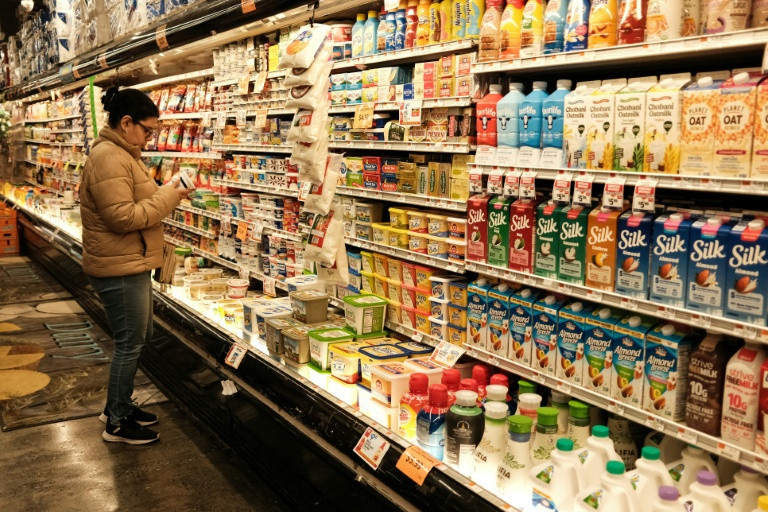
The US Federal Reserve is poised to hold its second meeting under new chairman Kevin Warsh, with expectations that interest rates will remain steady at 3.50-3.75 percent. This marks the fifth consecutive meeting where rates are anticipated to stay unchanged, as inflation concerns continue to loom large. Consumer inflation has eased to 3.5 percent year-on-year, yet it remains well above the Fed's long-term target of 2 percent, a benchmark the central bank has not met for over five years.
The backdrop of rising tensions in the Middle East, particularly the renewed conflict between the US and Iran, has further complicated the economic landscape. Recent military actions have led to a spike in energy prices, with oil futures surpassing $100 per barrel for the first time since late May. Fed policymakers are growing increasingly impatient with persistent inflation, suggesting that a rate hike could be on the horizon. Fed Governor Chris Waller emphasized the need for the Fed to be prepared to tighten monetary policy to avoid a repeat of the inflationary pressures seen in 2021 and 2022.
Market Reading & Resources
Sponsor funding complete. Trade on.
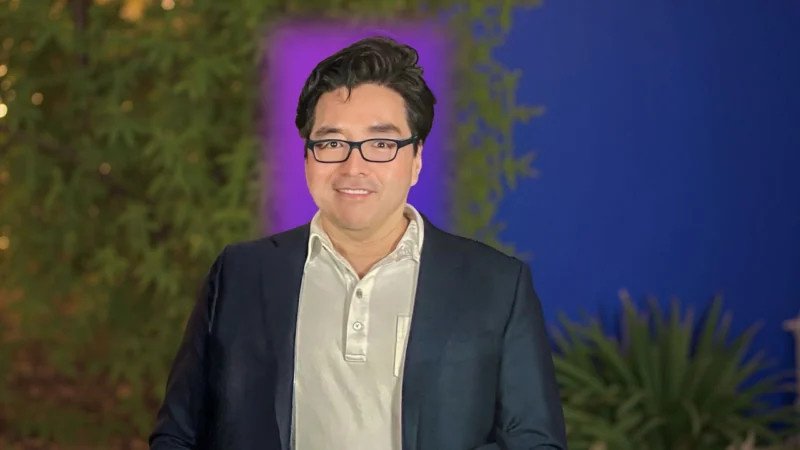
Since taking the helm, Warsh has expressed a desire to reduce the amount of forward guidance the Fed provides, a move that has drawn mixed reactions from analysts. While some believe that less transparency could create uncertainty in the markets, Warsh argues that it allows for more flexibility in decision-making. He has publicly committed to achieving price stability but has not detailed how or when the Fed might act.
The Fed's dual mandate includes maintaining inflation at its target while also ensuring maximum employment. Currently, the labor market appears stable, with unemployment rates steady despite fluctuations in job growth. As inflation remains the primary focus, analysts predict that the upcoming meeting will likely not result in a rate hike, although dissenting opinions among policymakers may emerge.
Gregory Daco, chief economist at EY-Parthenon, expressed skepticism regarding the adequacy of Warsh's commitment to tightening monetary policy to address inflation. With inflationary pressures stemming from rising fuel costs and increased demand driven by the AI boom, the Fed's hawkish stance appears to be solidifying. Diane Swonk, chief economist at KPMG, anticipates two rate hikes later this year, reflecting the growing concerns among Fed officials about the evolving economic situation.
As the Fed prepares for its decision, the interplay between inflation, energy prices, and geopolitical tensions will remain critical factors influencing monetary policy. Investors and analysts alike will be closely watching the Fed's announcements and any signals regarding future rate adjustments.