Federal Reserve Chair Warsh Embraces Ambiguity Ahead of Key Meeting
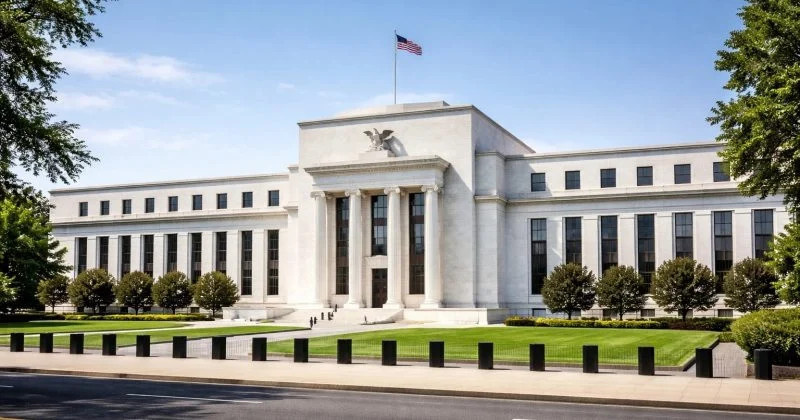
Kevin Warsh, the newly confirmed chair of the Federal Reserve, is steering the institution into a new era characterized by what he calls 'constructive ambiguity.' This approach is evident as he heads into the Federal Open Market Committee (FOMC) meeting scheduled for July 28-29. Currently, the federal funds rate is set between 3.5% and 3.75%, and markets are pricing in about a one-in-three chance of a rate hike, leaving investors in a state of uncertainty. Warsh's strategy marks a significant shift from the forward guidance that has dominated monetary policy since the 2008 financial crisis. Rather than signaling rate changes well in advance, he advocates for a flexible, data-dependent framework that avoids pre-committing to specific rate paths.
During his first FOMC meeting in June 2026, Warsh maintained the status quo on rates, but the real story unfolded behind closed doors. He described the internal disagreements among committee members as a 'family fight,' indicating that there is not a unanimous consensus on the direction of monetary policy. Additionally, he has streamlined the standard policy statement, removing the complex language that markets had become accustomed to interpreting.
Market Reading & Resources
Sponsor funding complete. Trade on.
Warsh's tenure comes at a time when core inflation remains stubbornly high, hovering around 3.8% year-on-year, significantly above the Fed's 2% target. He has made it clear that he has 'no tolerance for persistently elevated inflation,' emphasizing the need for decisive action if inflation does not subside.
The Fed's balance sheet, still exceeding $6.5 trillion, adds another layer of complexity to the current economic landscape. Quantitative tightening continues to play a role, gradually draining liquidity from the markets. Warsh's relationship with the cryptocurrency sector is also noteworthy. While he acknowledges Bitcoin's innovative potential and generally supports a pro-crypto stance, he has firmly stated that the Federal Reserve will not provide bailouts for crypto assets or stablecoins in times of crisis. This position is particularly significant as regulatory frameworks evolve, with initiatives like the GENIUS Act influencing how digital assets interact with the broader financial system.
The market's 33% probability of a rate hike at the upcoming meeting may not seem alarming, but it is a notable shift from a year ago when such an increase was largely unanticipated. The ongoing internal dissent within the FOMC further complicates the outlook, as public disagreements among Fed governors suggest uncertainty about the institution's future direction. Warsh's strategy of keeping markets guessing appears to be effective, but it also underscores the challenges facing the Federal Reserve as it navigates a complex economic environment.