Grocery Prices Remain High Despite Easing Inflation Rates
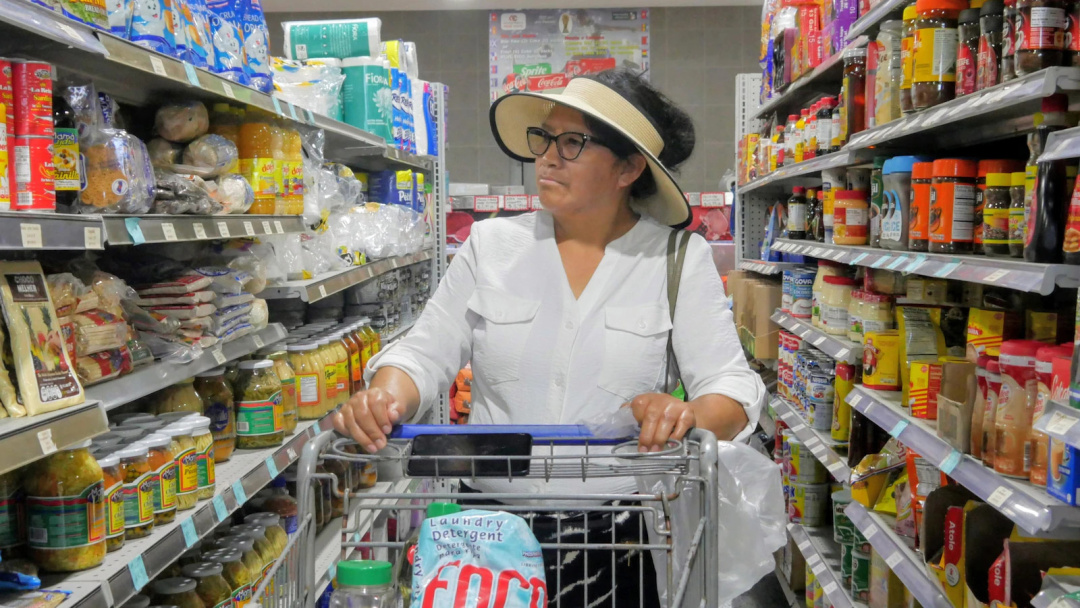
The term 'rockets and feathers' aptly describes the recent trajectory of U.S. grocery prices, which have surged sharply since the pandemic. Prices for food consumed at home skyrocketed, with an 11.4% increase in 2022 marking the highest inflation rate in 50 years. Although inflation rates have slowed, grocery prices have not followed suit, frustrating consumers. Experts suggest that true price reductions require deflation, a rare occurrence. According to the U.S. Department of Agriculture, grocery prices are expected to rise by 2.7% this year, slightly above the historical average of 2.6%.
The lingering effects of post-pandemic price shocks are evident, with a recent study indicating a decline in the number of items purchased at grocery stores, particularly since February. Factors such as high gas prices, increased usage of GLP-1 medications, and cuts in government food aid are contributing to changes in consumer spending habits. Shoppers are increasingly seeking deals, leading to a shift in market share from traditional grocers to discount retailers like Costco, Walmart, and Aldi.
Market Reading & Resources
Sponsor funding complete. Trade on.
Many consumers are opting for store brands over name-brand products to save money, with sales of store brands reaching a record $282.8 billion last year. Retail experts note that the convenience and cost-effectiveness of store brands are appealing to budget-conscious shoppers.
The rise in grocery prices can be attributed to various factors, including the war in Ukraine and supply chain disruptions caused by avian flu, which drove egg prices to record highs. Retailers are often hesitant to lower prices on inventory purchased at higher wholesale costs, and many are focused on maintaining profit margins. For instance, PepsiCo raised prices for eight consecutive quarters in response to increased ingredient and packaging costs, although they have begun to lower prices on some products as demand waned.
Consumer behavior also plays a role in sustaining high prices. When prices rise, shoppers tend to hunt for lower options, but they may stop seeking deals once they perceive prices are decreasing, reducing competitive pressure on retailers to lower prices further.
Long-term issues, such as climate-related impacts on coffee yields, have contributed to sustained price increases in certain products. For example, coffee prices have risen by 54% since 2019 due to adverse weather conditions in key producing countries. Additionally, tariffs imposed on imports, such as the 17% tax on fresh tomatoes from Mexico, have further inflated prices.
However, there are signs that the 'feather' may be starting to fall. Major retailers like Walmart and Target have begun implementing price cuts on various food items, indicating a potential shift in the market. Experts believe that if large retailers continue to invest in price reductions, it could prompt others to follow suit, potentially easing grocery costs in the future.