Bitcoin's Correlation with Gold Rises Amidst Market Shifts
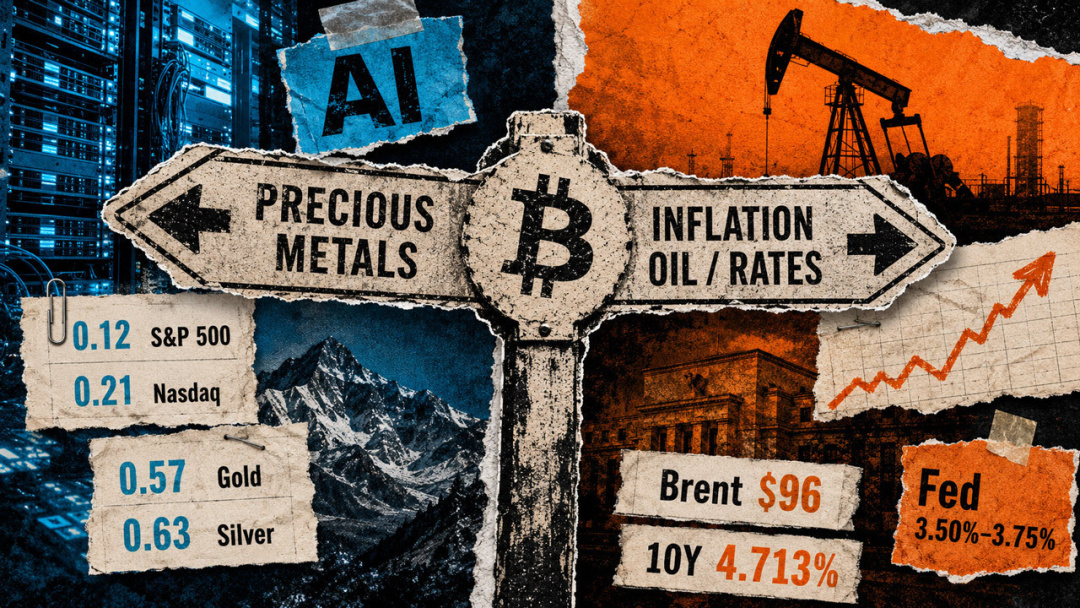
Bitcoin's daily correlation with the S&P 500 has decreased to 0.12 during the second quarter of 2023, down from 0.58 in the fourth quarter of 2022, according to a report from Coinbase Institutional and Glassnode. Over the same period, Bitcoin's correlation with the Nasdaq was recorded at 0.21, while its correlation with gold increased to 0.57 and with silver to 0.63. This shift suggests that Bitcoin is moving away from the AI-driven equity trade that has influenced much of the cryptocurrency's price action over the past two years. As the Federal Reserve prepares for meetings at the end of July and major tech companies report earnings, these correlations are becoming increasingly relevant.
Colin Basco from Coinbase Institutional and analysts at Glassnode interpret the current market phase as a transition from correction to accumulation. They highlight on-chain data indicating that coins last transacted within three months are at multi-year lows, alongside a rise in dormant supply. This pattern typically signifies accumulation phases in the cryptocurrency market.
Market Reading & Resources
Sponsor funding complete. Trade on.
The report also notes that Bitcoin and gold have been affected by a stronger dollar and a hawkish Federal Reserve, which have contributed to their decline. Both assets have been responding to similar liquidity and real-rate forces throughout the year. The dynamics of an AI-stock selloff could impact Bitcoin's performance as capital flows out of expensive technology shares. If this outflow leads to lower Treasury yields and a weaker dollar, it could benefit Bitcoin. Conversely, if inflation and energy costs continue to rise, the same pressures that have affected Bitcoin and gold could persist.
Alphabet's recent increase in its 2026 capital expenditure guidance to between $195 billion and $205 billion, along with its first negative free cash flow quarter, raises concerns about the sustainability of Big Tech's investments. Collectively, major tech companies are projected to spend over $700 billion on AI infrastructure this year, with estimates exceeding $1 trillion next year.
New York Fed President John Williams has linked elevated inflation to tariffs, energy costs, and increased demand for goods driven by technology investments. The Fed's July Monetary Policy Report indicated a PCE inflation rate of 4.1% and a core PCE rate of 3.4% for the year ending in May. The Fed has maintained the funds rate between 3.50% and 3.75% since the beginning of the year, with projections suggesting a rise in the median PCE forecast for 2026.
In a bullish scenario, a decline in AI shares could lead to lower Treasury yields and a softer dollar, allowing Bitcoin to rise alongside gold and silver. However, in a bearish scenario, persistent inflation could push yields and the dollar higher, negatively impacting Bitcoin and other assets. The recent surge in Brent crude oil prices, which reached approximately $96, adds another layer of complexity to Bitcoin's outlook. The Energy Information Administration's forecast of an average price of $74 per barrel for the third quarter contrasts sharply with current market prices, creating a pivotal test for Bitcoin's trajectory.
Bitcoin's exchange-traded fund (ETF) flows have also shown signs of stabilization, with net inflows recorded in July after a period of outflows. This suggests a potential shift in demand, although it remains to be seen if this trend is linked to a broader rotation from AI stocks to cryptocurrencies.
As Bitcoin enters the third quarter, it does so with a decoupled correlation from the Nasdaq, indicating that its performance may now be influenced by different macroeconomic factors. The relationship with gold suggests that Bitcoin's price movements may be more closely tied to real yields and the dollar than previously thought. The upcoming months will be crucial in determining whether the current market dynamics favor Bitcoin or lead to further challenges, particularly in light of oil prices and inflationary pressures.