Super El Niño and Oil Prices Could Drive Global Inflation Higher
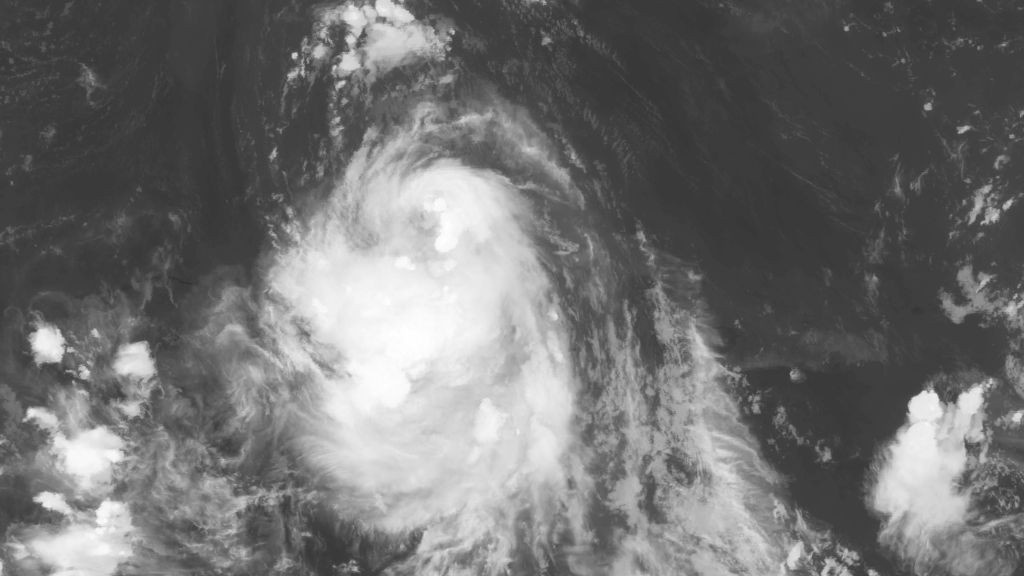
JPMorgan has issued a warning that the convergence of a super El Niño and rising oil prices could impede the decline of global inflation next year. The bank estimates an 81% probability that the current El Niño will strengthen into a "very strong" or "super" event by the end of the year, with a 97% chance that these conditions will persist into 2027. While each factor alone might not be alarming, their combination could lead to significant economic consequences.
A super El Niño typically causes disruptions in agricultural production across Asia and Latin America, resulting in droughts, excessive rainfall, and altered growing seasons. JPMorgan projects that this could increase global food inflation by approximately 0.7 percentage points at its peak. When combined with oil prices reaching $100 per barrel, tighter diesel supplies, more expensive fertilizers, and higher transportation and packaging costs, food inflation could rise by as much as 1.3% to 1.5%.
Market Reading & Resources
Sponsor funding complete. Trade on.
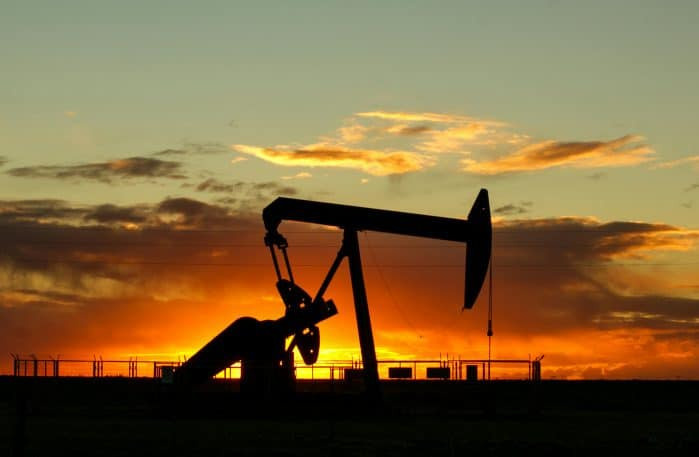
The oil market is already feeling the effects of these developments. Brent crude prices recently climbed above $100 a barrel, driven by renewed conflicts around the Strait of Hormuz and Houthi attacks on tankers in the Red Sea, which threaten critical export routes for Gulf producers. Additionally, Kazakhstan has begun cutting oil production due to drone attacks that have disrupted tanker loadings at the Caspian Pipeline Consortium terminal on the Black Sea, further constraining the supply of internationally traded crude.
Diesel prices are experiencing even greater pressure than crude oil. Middle Eastern refining capacity has not fully recovered from ongoing conflicts, while Russian fuel exports remain limited due to months of Ukrainian drone strikes on refineries. Global refining margins are also near record highs, exacerbating the situation.
Emerging markets are expected to bear the brunt of the inflationary impact, as food constitutes a larger share of household spending in these economies. Countries such as India, Indonesia, Brazil, and Colombia are among the most vulnerable. However, advanced economies will not be immune. While Europe and the United States may avoid the worst crop losses, they will still face higher food costs due to increased fuel, fertilizer, transportation, and global commodity prices.