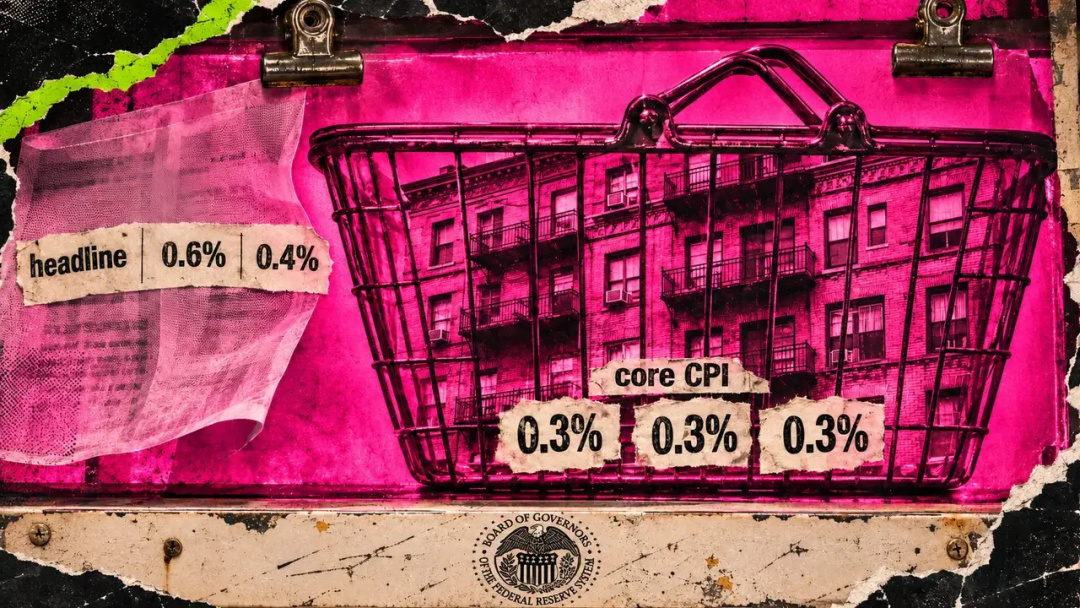
New Tariffs Spark Inflation Concerns Ahead of 2026
President Trump's renewed trade measures, which impose tariffs starting at 10% on imports from approximately 60 countries, have led analysts at ING to reevaluate their inflation forecasts for 2026. Currently, core goods prices are stable, running at just 1.1% year-over-year in early 2026. This suggests that businesses are absorbing a significant portion of the tariff costs rather than passing them directly to consumers. In previous instances, such as tariffs on foreign appliances, consumers ended up bearing over 60% of the costs, resulting in a price increase of around 12%.
The new tariffs, which will affect nearly all imports from the targeted countries, are set to take effect on July 24, 2026, replacing expiring provisions. Despite these new measures, ING's February 2026 outlook indicates that its inflation and growth forecasts remain largely unchanged, attributing this to disinflationary forces such as moderating rents and slowing wage growth.
Market Reading & Resources
Sponsor funding complete. Trade on.
However, ING analysts caution that prolonged policy uncertainty tends to elevate long-term interest rates, which can increase borrowing costs across various sectors, including mortgages and corporate debt. In scenarios where tariffs are aggressively passed through to consumers, inflation could rise by about one percentage point. In more extreme cases, full pass-through could increase inflation by over four percentage points. So far, actual inflation has aligned more closely with the lower end of these projections.
As the July 24 effective date approaches, analysts will be closely monitoring core goods Consumer Price Index (CPI) data in August and September for indications of how retailers and importers are adapting to the new cost structure. Companies in the consumer discretionary sector with globally diversified supply chains are likely to experience the most direct impact, particularly those heavily reliant on imports from the targeted countries.
ING's relatively optimistic outlook hinges on the assumption that the current tariff structure will serve as a ceiling rather than a floor. Should this assumption prove incorrect, the implications for inflation and interest rates could be significant, altering the economic landscape as businesses and consumers navigate these new challenges.