ECB Officials Caution on Inflation Risks Amid Middle East Tensions
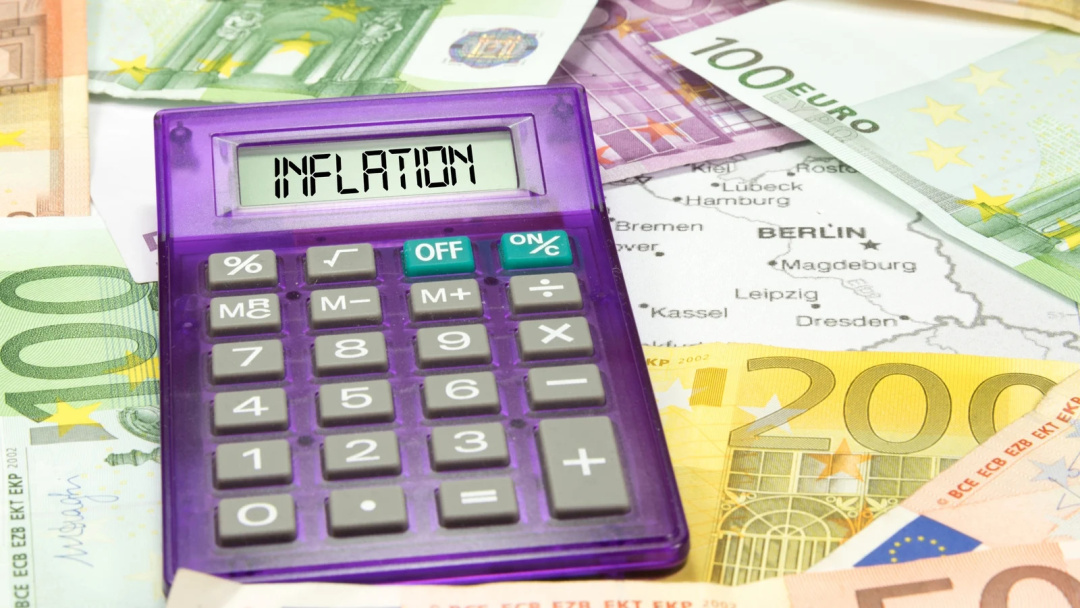
European Central Bank policymakers have raised alarms about increasing inflation risks, particularly due to the ongoing crisis in Iran. In a recent meeting, the ECB decided to keep its key deposit rate at 2.25%. This decision followed various surveys and data from June, which indicated that rising fuel costs from the Middle East had not yet broadly affected consumer prices, wages, or long-term inflation expectations. However, with oil prices climbing back to around $100 a barrel and natural gas prices also increasing, the possibility of a rate hike in September appears more likely.
Bundesbank President Joachim Nagel emphasized the fragile situation in the Middle East, stating, "We are still facing intense uncertainty." He noted that the ECB's previous rate hike in June positioned the bank to respond effectively to any negative shifts in the inflation outlook. Similarly, Slovenian central bank chief Primož Dolenc highlighted the adverse risks stemming from the ongoing conflict in Iran, reinforcing concerns about inflation.
Market Reading & Resources
Sponsor funding complete. Trade on.
Austrian central bank chief Martin Kocher acknowledged the potential need for a rate hike but clarified that it was uncertain whether this would occur in September. He remarked that if inflation expectations deteriorate, particularly in the medium term, action would be necessary. Financial markets currently anticipate at least two more rate hikes from the ECB, with the first expected by October and another by February. However, economists surveyed by Reuters predict only a single hike in September.
Recent ECB polls of companies, consumers, and economists indicated a moderation in the inflation outlook, although these surveys were conducted before the recent escalation in the Middle East conflict, which has reignited inflation concerns. A broader survey of purchasing managers suggested a rebound in activity and easing inflationary pressures. Nonetheless, analysts from Capital Economics cautioned that the improvements might be short-lived due to the renewed geopolitical tensions and rising energy prices. The current oil prices align closely with the ECB's June projections, which anticipated further policy tightening in the coming months.