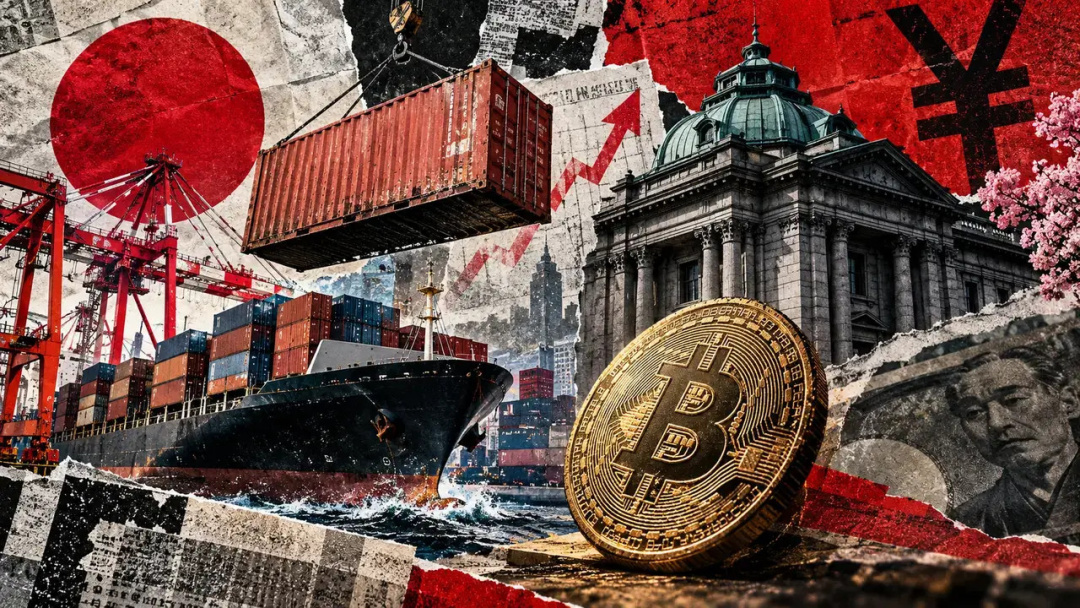
Japan Calls for Cautious Monetary Policy Amid BOJ Rate Hike
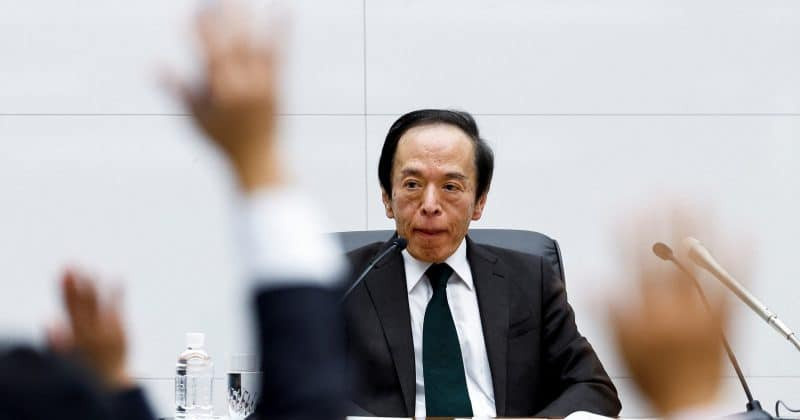
The Japanese government has unveiled a draft economic plan that signals a clear request for the Bank of Japan (BOJ) to moderate its monetary policy. Released on June 25, the plan comes shortly after the BOJ raised its policy rate to 1%, the highest level since 1995. Prime Minister Sanae Takaichi’s administration is advocating for what it describes as 'appropriate' monetary management, emphasizing the need for closer coordination between the government and the central bank.
The draft plan highlights the importance of fostering private demand through stable price increases, indicating that the government seeks manageable inflation rather than aggressive tightening that could stifle economic growth. This blueprint is set to be finalized by July 2026 and marks Takaichi’s first significant economic agenda since taking office in October 2025.
Market Reading & Resources
Sponsor funding complete. Trade on.
A key aspect of the plan is the ambitious target of over 370 trillion yen, approximately $2.3 trillion, in investments by fiscal 2040, with a focus on sectors such as artificial intelligence and semiconductor manufacturing. The recent BOJ rate hike was largely influenced by inflationary pressures stemming from rising energy costs, exacerbated by geopolitical tensions, particularly involving Iran, which have pushed energy prices higher.
The interplay between Japanese monetary policy and cryptocurrency markets, particularly Bitcoin, has gained attention. The yen carry trade allows investors to borrow cheaply in yen and invest in higher-yielding assets, including cryptocurrencies. However, when the BOJ raises rates, this trade unwinds, leading to a sell-off in risk assets as capital flows back into yen. Market analyses have shown that BOJ rate hikes since 2024 have been linked to Bitcoin price declines averaging between 18% and 32%. A potential 30% drop from current levels could erase significant gains and trigger liquidations in leveraged positions.
The Japanese government's push for a more cautious approach to monetary tightening could offer temporary relief to crypto markets. If Tokyo can successfully influence the BOJ to pause or slow its rate hike cycle, it may help maintain the carry trade and support risk appetite. However, the proposed $2.3 trillion investment in AI and semiconductors introduces another layer of complexity, as large-scale government spending could also be inflationary, potentially prompting further tightening from the BOJ. This feedback loop remains a challenge that the government has yet to resolve in its draft plan.