Kevin Warsh Becomes Fed Chair, Advocates for Major Policy Shift
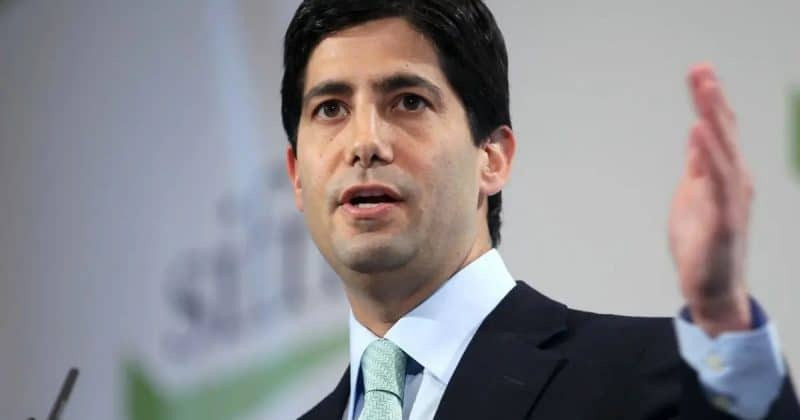
Kevin Warsh officially took over as chair of the Federal Reserve on May 22, 2026, following his Senate confirmation on May 13, where he secured a narrow 55-45 vote. Warsh's approach marks a stark departure from the policies of his predecessor, Jerome Powell, as he seeks a "regime change" at the central bank. Notably, Warsh is the first Fed chair with substantial personal investments in digital assets, holding stakes in over 30 crypto-related ventures, which positions him as a uniquely pro-crypto figure in this role.
Warsh's policy priorities are centered around three main pillars. He advocates for strict adherence to a 2% inflation target, moving away from the flexible average inflation targeting framework that allowed Powell to tolerate temporary inflation spikes. Additionally, Warsh plans to significantly reduce forward guidance, which involves signaling future rate changes well in advance, and to aggressively shrink the Fed's balance sheet.
Market Reading & Resources
Sponsor funding complete. Trade on.
The flexible average inflation targeting framework, introduced under Powell in 2020, was designed to permit the Fed to allow inflation to exceed its target after periods of undershooting. Warsh's commitment to a stricter inflation target indicates a shift towards a more conservative monetary policy.
Culturally, Warsh aims to foster a more open environment within the Federal Open Market Committee (FOMC), encouraging dissent rather than consensus, which characterized Powell's leadership. This dynamic is particularly interesting as Powell remains on the Board of Governors, creating a situation where the architect of the previous regime will be present while Warsh attempts to dismantle it.
Warsh has previously likened Bitcoin to gold for younger investors, suggesting a view of digital assets as legitimate stores of value rather than mere speculative investments. His appointment aligns with a broader pro-innovation stance on digital currencies from the Trump administration.
The first significant challenge for Warsh will arise during the FOMC meeting scheduled for June 16-17, 2026. This meeting will be closely watched by markets eager to decipher his plans for implementing his agenda amid ongoing inflation concerns and discussions about potential monetary easing. Investors should also be alert to potential tensions between Warsh and Powell, as the latter's influence remains within the committee, potentially leading to vigorous policy debates not seen in years.