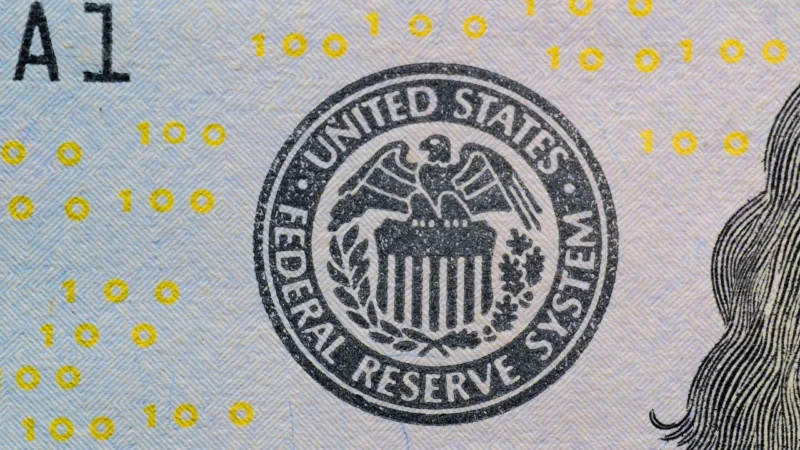
Federal Reserve Stress Tests Show Banks Can Withstand Severe Economic Shock

The Federal Reserve's annual stress test, conducted on June 24, revealed that all 32 of America's largest banks can withstand a severe economic downturn, including a simulated unemployment rate of 10% and substantial drops in commercial and residential real estate prices. The test scenario projected a staggering $708 billion in losses across the banking sector, yet the banks emerged with enough capital to continue operations and pay dividends to shareholders.
Despite the positive results, the implications are somewhat muted. The Fed decided in February to freeze its stress capital buffer requirements until 2027, meaning that this year's stress test results will not necessitate any changes in capital requirements for the banks. This has led some analysts to view the test as a mere formality, with KBW analysts noting that the banks were essentially going through the motions.
Market Reading & Resources
Sponsor funding complete. Trade on.
The stress test was designed to assess the banks' resilience in the face of a global recession, characterized by a peak unemployment rate of 10%, a 39% decline in commercial real estate prices, and a 30% drop in home values. The Fed's Vice Chair for Supervision, Michelle Bowman, emphasized that the results demonstrate the banking system's resilience, as the common equity tier 1 ratio—a key measure of capital adequacy—only slipped 1.6 percentage points, remaining well above the required minimum.
The stress test's harsh assumptions were a response to the lessons learned from the 2008 financial crisis, which prompted the implementation of the Dodd-Frank Act. This legislation requires large banks to prove they can survive significant economic shocks without needing taxpayer bailouts. However, the test's focus on larger institutions raises concerns about the stability of smaller banks, particularly in light of recent failures among mid-sized regional banks.
Investors closely monitor these stress test outcomes, as they influence lending expectations and overall confidence in the banking system. A strong performance can bolster risk appetite across financial markets, including cryptocurrencies. Bitcoin, for instance, has shown sensitivity to banking conditions, with its price fluctuating based on investor sentiment towards the banking sector. The Fed's recent projections indicate a tightening monetary policy, which could further impact Bitcoin and other risk assets.
In summary, while the stress test results indicate that major banks are well-capitalized and capable of weathering economic storms, the freeze on capital requirements diminishes the significance of these findings. The ongoing challenges in commercial real estate and corporate debt remain critical areas of concern, particularly for smaller banks that may not have the same level of resilience as their larger counterparts.