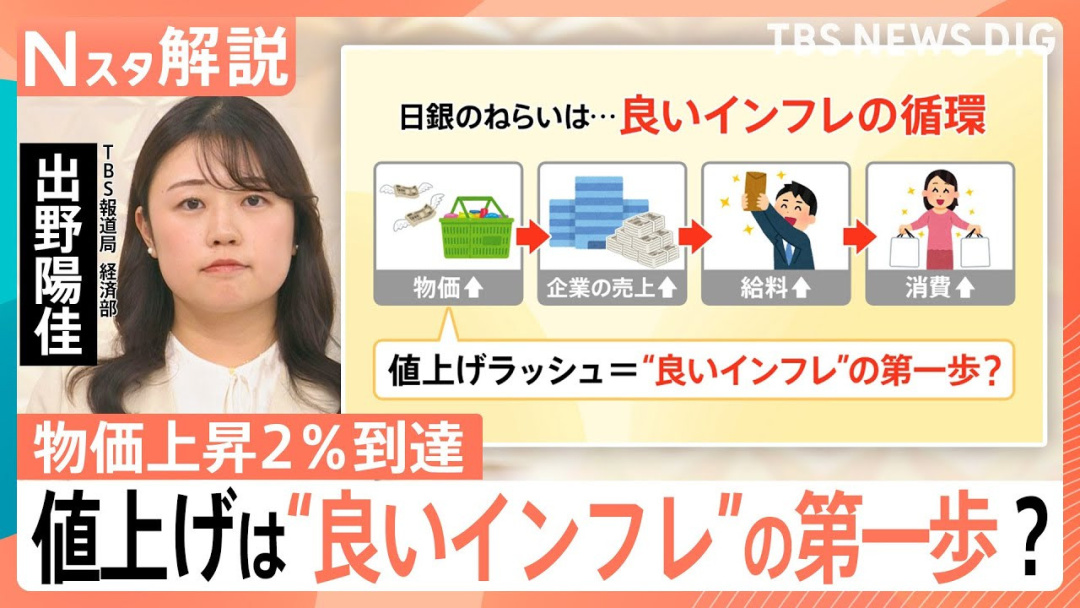
Japan's Core Inflation Rises Amid Weak Yen and Oil Price Surge

Core inflation in Japan accelerated to 1.6% in June, as reported by the internal affairs ministry. This increase, up from 1.4% in May, aligns with market expectations and is attributed to rising costs of imported energy products, exacerbated by geopolitical tensions in the Middle East. The yen's recent decline, reaching a four-decade low against the US dollar, has further inflated import costs for oil and food in Japan, which lacks natural resources.
In response to the surging oil prices linked to the ongoing conflict in the Middle East, Prime Minister Sanae Takaichi has introduced fuel and energy subsidies to alleviate the financial burden on consumers. When excluding food and energy, inflation eased slightly to 1.7% from 1.8% in May, just below the anticipated 1.8%.
Market Reading & Resources
Sponsor funding complete. Trade on.
Overall, unadjusted inflation stood at 1.7%, compared to 1.5% in May, meeting market expectations. Despite the recent uptick, Japan's core inflation has remained below the Bank of Japan's 2% target for five consecutive months. In June, the central bank raised interest rates to a 31-year high, but it is expected to maintain the current rates during its upcoming meeting on July 31. However, many economists foresee a potential rate hike in December.
The European Central Bank recently held rates steady but indicated a possible increase in September due to rising prices linked to the Middle East conflict. Brent crude oil prices have surged above $100 a barrel, following attacks on shipping in the Red Sea by Iran-backed Houthi rebels, raising concerns over further inflation.
Marcel Thieliant from Capital Economics predicts that Japan's inflation could exceed 3% by early 2027, citing the impact of high crude oil prices and the yen's depreciation against the dollar. He noted that the Bank of Japan's concerns regarding inflation risks are likely to persist.
Bloomberg News has reported that Japanese policymakers are considering a faster pace of interest rate hikes due to the inflationary effects of the weaker yen. The yen's decline is partly driven by the interest rate differential between the Bank of Japan and the US Federal Reserve, prompting a carry trade where investors borrow yen at low rates to invest in higher-yielding assets abroad. This trend could intensify if the Federal Reserve raises rates further in its battle against inflation, potentially putting additional pressure on the yen.