US 30-Year Treasury Yields Exceed 5% for 27 Consecutive Days
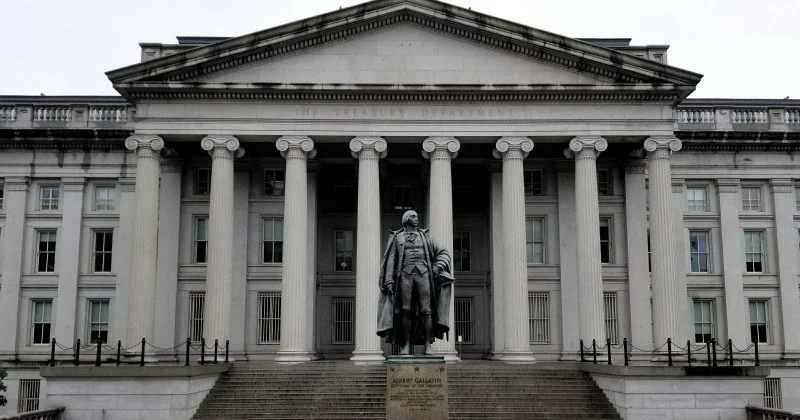
The U.S. 30-year Treasury yield has surpassed 5% for an unprecedented 27 consecutive days, a trend not seen since 2007. This sustained increase in yields signals heightened inflation concerns and broader macroeconomic pressures. On July 9, a significant auction of $22 billion in 30-year bonds yielded a record high of 5.058%, with a robust bid-to-cover ratio of 2.44, indicating strong demand, particularly from foreign investors who accounted for nearly 78% of the bids.
By May 2026, the yield peaked at 5.197%, reminiscent of pre-financial crisis levels. This surge is attributed to persistent inflationary pressures and geopolitical tensions, notably the conflict in Iran, which have contributed to a challenging market environment. The Federal Reserve's expectations of maintaining higher policy rates further support these elevated yields.
Market Reading & Resources
Sponsor funding complete. Trade on.
The current financial landscape is drawing parallels to 2007, a time when 5% yields were commonplace yet did not attract much attention. In this context, both traditional markets and the cryptocurrency sector are feeling the impact of rising yields. Bitcoin, for instance, has remained stable around $64,000, illustrating a contrasting dynamic where some investors are drawn to the perceived safety of U.S. Treasuries while others are exploring the potential of digital currencies.
Gold, typically viewed as a safe haven during uncertain times, has seen a decline alongside rising yields, suggesting a shift in investor sentiment. As Treasury yields continue to rise, the competition between risk-free assets and non-yielding cryptocurrencies like Bitcoin may significantly influence capital flows. This evolving landscape could prompt investors to reassess their positions in both traditional and digital assets.
Bitcoin's resilience amidst these financial fluctuations indicates its potential role as a safe haven, challenging conventional financial systems. The interplay between cryptocurrencies and traditional financial assets may reshape investment strategies, particularly if yields stabilize at these elevated levels. The future trajectory of this dynamic will depend on ongoing economic developments and investor responses.