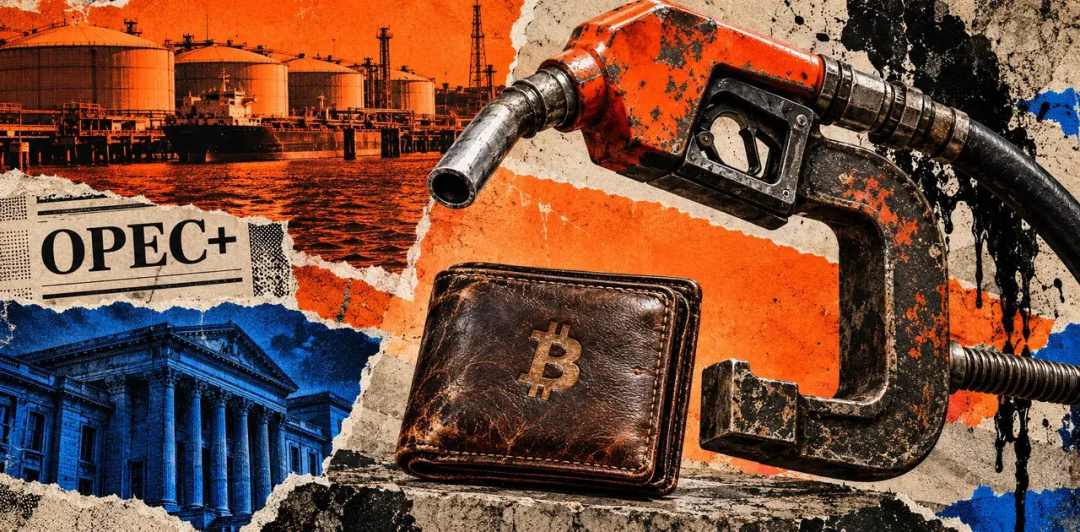
US Missile Strike on Larak Island Triggers Oil Price Surge and Crypto Concerns
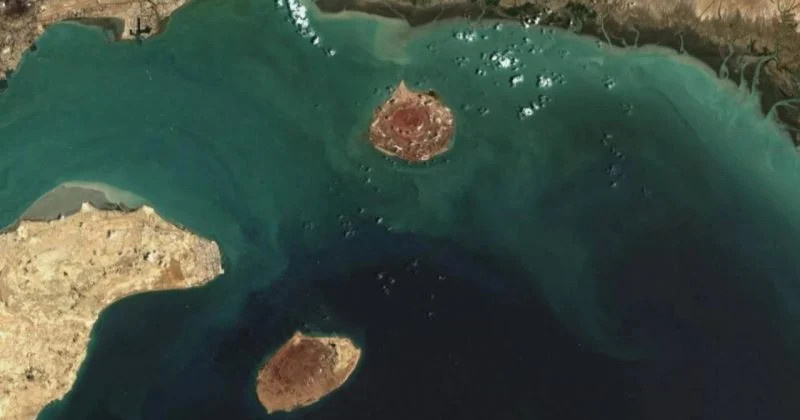
On July 22, 2026, the US military conducted a missile strike on Larak Island, a small but strategically significant landmass at the narrowest point of the Strait of Hormuz. This action targeted positions associated with the Islamic Revolutionary Guard Corps Navy, as reported by Iranian media outlet Tasnim News. The Strait of Hormuz is crucial for global oil trade, accounting for 20% to 25% of all seaborne oil. Following the strike, crude oil prices surged toward $95 per barrel, reflecting fears of worsening supply disruptions.
The backdrop to this military action includes US and Israeli operations that began in February 2026, which prompted a strong Iranian response. By March, Iran had declared the strait effectively closed, causing significant disruptions in global shipping and leading to rerouted maritime traffic. In mid-July, the US reinstated a naval blockade, increasing pressure on Iranian shipping and further complicating commercial vessel movement in the region. The missile strike on Larak Island marked the 11th consecutive night of US airstrikes targeting Iranian positions.
Market Reading & Resources
Sponsor funding complete. Trade on.
Prior to the strike, US forces also engaged two IRGC Navy speedboats near the island, indicating a systematic effort to weaken Iranian naval capabilities rather than a singular escalation. The rise in oil prices is particularly concerning as it serves as an inflationary factor impacting transportation, manufacturing, food production, and consumer goods. Central banks, which have been combating post-pandemic inflation, now face a new challenge with this geopolitically driven price spike and limited tools to address it.
Historically, Bitcoin has not consistently acted as a safe haven during periods of market volatility, often selling off alongside equities. However, if the ongoing conflict leads to sustained inflation or currency instability in emerging markets reliant on energy imports, there may be increased interest in cryptocurrencies as a means of capital preservation. In regions where local currencies are under pressure from rising energy costs, demand for dollar-pegged stablecoins typically increases.
The strategic significance of Larak Island means that continued military activity there poses a direct threat to the navigability of this vital oil shipping lane. Should Iran retaliate in ways that further restrict vessel movement, the current oil price could represent a baseline rather than a peak. The ongoing airstrikes suggest a broader military campaign rather than a temporary pressure tactic. In the cryptocurrency market, the prevailing correlation with risk assets remains a critical factor, with a potential equity sell-off driven by oil price shocks and inflation fears likely to negatively impact Bitcoin in the near term.