Ghana's Disinflation Phase Ends as Inflation Rises, Says Bank Governor
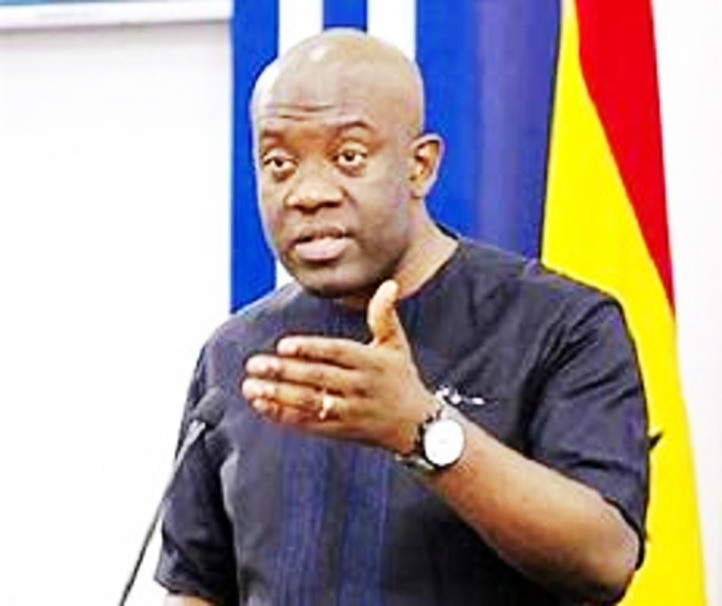
Dr. Johnson Pandit Asiama, Governor of the Bank of Ghana, has declared the end of Ghana’s prolonged disinflation phase, indicating that inflation is gradually returning to the Central Bank’s target range. Speaking at the 131st Monetary Policy Committee (MPC) meeting in Accra, he noted that inflation has risen for three consecutive months but remains below the Bank’s target range, which is not yet alarming. Headline inflation increased from 3.2 percent in March to 5.3 percent in June, primarily due to higher transport and haulage costs. Despite this rise, inflation is still below the medium-term target band of 8 percent, plus or minus two percentage points, and significantly lower than the 13.7 percent recorded during the same period last year.
Dr. Asiama emphasized the resilience of Ghana’s economy amid global uncertainties, reporting a 6.4 percent expansion in the first quarter of 2026 compared to 6.2 percent the previous year. He also highlighted a significant recovery in real private sector credit growth, which surged to 34.1 percent, reversing a contraction of 4.5 percent from a year earlier. The cedi has remained stable through early July, and the banking sector is well-capitalized despite facing challenges with non-performing loans.
Market Reading & Resources
Sponsor funding complete. Trade on.
On the global stage, Dr. Asiama raised concerns about renewed tensions in the Strait of Hormuz, which have driven Brent crude oil prices above US$85 per barrel. This situation is slowing global disinflation and creating uncertainty for central banks worldwide. As an energy-importing country that exports commodities, Ghana must carefully evaluate how rising international energy prices could influence domestic inflation in the coming months.
During the MPC meeting, Dr. Asiama outlined four key issues for discussion: assessing whether the recent inflation rise is temporary or entrenched, evaluating the effectiveness of monetary policy reforms introduced in May, examining the impact of ceasing the Bank’s pre-financing of GoldBod purchases on domestic liquidity, and considering the implications of global oil market volatility on Ghana’s exchange rate and foreign reserves.
He stressed that the Committee's role extends beyond merely reviewing economic data. "Our task this week is not simply to assess the latest data. It is to determine whether the framework we strengthened in May remains fit for the conditions now before us, and whether the choices we made then continue to serve the medium-term objectives on which our credibility depends," he stated.
Additionally, Dr. Asiama announced the launch of the Monetary Policy Committee Educational Observership Programme (MPC-EOP), which allows selected students from the University of Ghana to participate in MPC proceedings. This initiative aims to enhance public understanding of monetary policy and strengthen engagement between academia and the central bank.