Food Prices Decline Amid Rising Inflation as Crypto Markets React
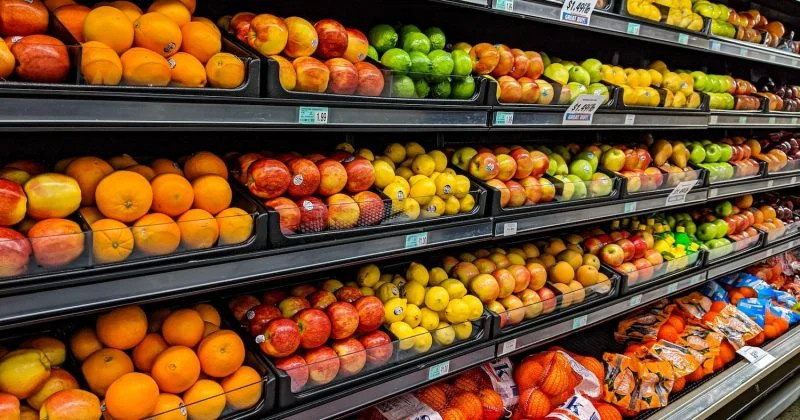
In June 2026, U.S. food inflation decreased to 3% year-over-year, down from 3.1% in May, although prices rose by 0.2% on a monthly basis. The overall Consumer Price Index (CPI) increased by 4.2% year-over-year through May 2026, suggesting that food costs are relatively stable compared to other inflationary pressures. The USDA's forecast indicates that food prices will rise by 3.2% throughout 2026, with food-at-home prices expected to increase by 2.8% and food-away-from-home costs projected to climb by 3.6%.
Producer prices have shown a more favorable trend, with food-related producer prices dropping by 0.6% recently, and fresh vegetables experiencing a significant decline of 6.0%. Following the release of softer CPI readings in July 2026, Bitcoin and Ethereum saw notable price gains, with Bitcoin trading near $65,000. Traders often interpret lower-than-expected inflation as a signal for central banks to maintain or lower interest rates, which can boost risk assets like cryptocurrencies. Conversely, higher inflation data may lead to tighter monetary policies, exerting pressure on these assets.
Market Reading & Resources
Sponsor funding complete. Trade on.
The USDA's forecast suggests that grocery costs will remain above the Federal Reserve's comfort zone for price stability throughout the year. The anticipated rise in food-away-from-home costs, combined with consumers' ongoing dining habits, could contribute to persistent headline inflation, as these expenditures represent a significant portion of household budgets and CPI weighting.
Market observers should closely monitor the relationship between producer prices and consumer prices. A narrowing gap could indicate that cost savings from producers are finally reaching consumers, signaling a potential disinflationary trend that could influence central bank policies in the latter half of 2026.