Nvidia's Jensen Huang Advocates for Chinese AI Amid Market Turmoil
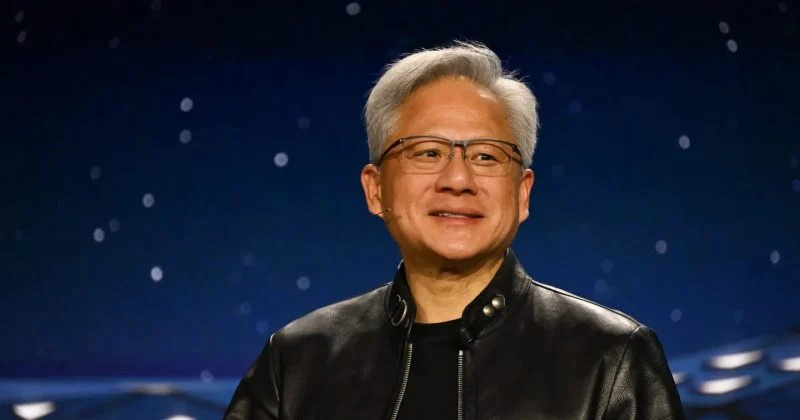
At the China International Supply Chain Expo, Jensen Huang, CEO of Nvidia, made headlines by declaring that Chinese AI models are 'world class.' This statement comes at a time when Nvidia's stock is under pressure following the launch of the Kimi K3 model by the Chinese startup Moonshot AI. Released in mid-July 2026, Kimi K3 boasts 2.8 trillion parameters and a one million-token context window, achieving top scores in frontend coding tasks and high marks on GDPval-AA v2 tests. The immediate impact on Wall Street was significant, with semiconductor stocks plummeting over 20% from their June 2026 highs, and Nvidia briefly losing its status as the world's most valuable company.
In a departure from typical corporate responses to competition, Huang praised various Chinese AI models from companies like DeepSeek, Alibaba, Tencent, MiniMax, and Baidu, highlighting the robustness of China's open-source AI ecosystem. He argued that open-weight models are superior for safety and collaboration compared to the proprietary systems prevalent in the U.S. market.
Market Reading & Resources
Sponsor funding complete. Trade on.
While Huang supports the idea of restricting the export of Nvidia's most advanced chips, such as the Blackwell and Rubin architectures, he firmly believes that software should not be banned. His stance suggests a nuanced understanding of national security concerns while advocating for a more open approach to AI development.
The fallout from the Kimi K3 release extends beyond the semiconductor industry, affecting the cryptocurrency markets as well. AI-related tokens and GPU-compute protocols have gained traction, with decentralized compute networks like Render, Akash, and io.net positioning themselves around the scarcity and cost of GPU access. The correlation between AI tokens and Nvidia's stock performance indicates that a significant downturn in semiconductor stocks can adversely affect the AI sector, regardless of the individual merits of those tokens.
If the U.S. government enforces restrictions on American companies' access to Chinese open-source models, it could lead to a fragmented AI landscape. Such a scenario would elevate the importance of censorship-resistant infrastructure, as different jurisdictions may impose varying bans on AI models.