Federal Reserve Accepts $275 Million in Reverse Repo Operations
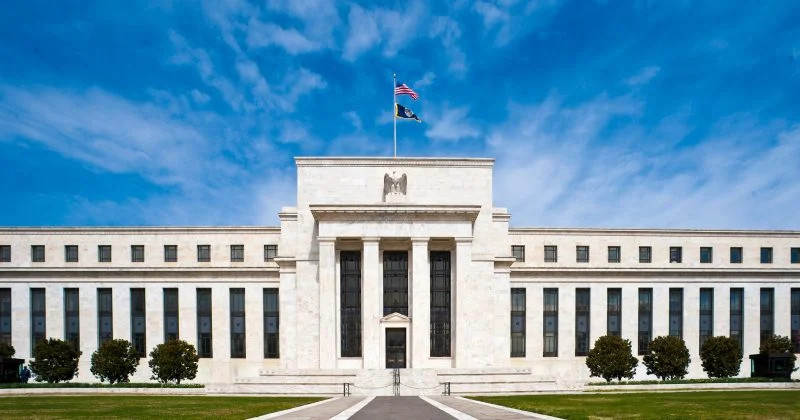
The Federal Reserve's latest fixed-rate reverse repurchase agreement operation saw the acceptance of just $275 million from a single counterparty, a stark contrast to the multi-trillion-dollar scale the facility once operated at. This transaction underscores a significant decline in the overnight reverse repo facility's relevance. A reverse repo involves the Fed borrowing cash overnight from financial institutions, using securities as collateral, and returning the funds with interest the following day. This process effectively drains liquidity from the financial system.
As of July 17, 2026, aggregate overnight reverse repo volumes had already plummeted to $100 million, with a subsequent operation around July 20 recording only $30 million. Although the $275 million figure is larger than these previous amounts, it still reflects a facility that is running on fumes. The New York Fed has been conducting periodic small-value RRP exercises, including tests with primary dealers as recently as May 2026, which are primarily operational readiness drills rather than significant policy actions.
Market Reading & Resources
Sponsor funding complete. Trade on.
The decline in overnight reverse repo activity signals a real shift within the banking system. As the Fed continues to wind down its balance sheet through quantitative tightening, excess reserves are being drained. When reserves are plentiful, money market participants tend to park their cash at the Fed, but as reserves tighten, that cash is deployed elsewhere, leading to a drop in reverse repo usage.
The Federal Open Market Committee's target range for the federal funds rate serves as a mechanism for the Fed to influence borrowing costs across the economy. The overnight reverse repo facility is intended to act as a floor for this rate, preventing overnight lending rates from falling below the target. A facility that is shrinking toward near-zero indicates that this floor is barely being tested.
The transition from a robust RRP facility to one managing $275 million or less in routine operations suggests that the liquidity glut experienced post-pandemic has been largely absorbed. Interestingly, there has been minimal coverage of these developments in major crypto-native media outlets, indicating that the implications of these changes have not yet resonated within the cryptocurrency market or prompted notable reactions from digital tokens.