Gold Prices Stay Above $4,000 Amid Middle East Tensions and Fed Speculation
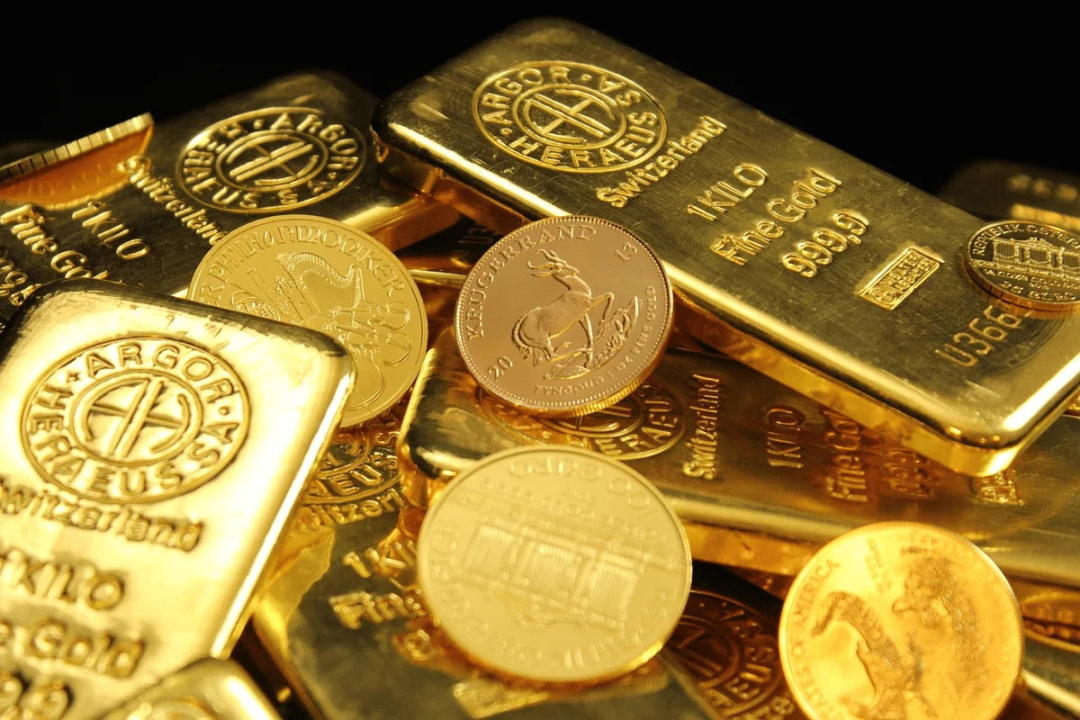
Gold prices advanced on Tuesday, holding steady above the significant $4,000-an-ounce mark as investors assessed renewed diplomatic efforts between the United States and Iran. Spot gold (XAU/USD) rose by 1% to $4,049.47 an ounce, while Gold Futures increased by the same percentage to $4,054.35. Silver (XAG/USD) climbed 2.6% to $57.87 an ounce, and platinum (XPT/USD) gained nearly 1% to $1,611.09.
The precious metal's recovery follows a decline last week, as investors weighed ongoing geopolitical uncertainties against signs that Washington and Tehran might be returning to negotiations. Crude oil prices eased after two days of gains, as reports of diplomatic mediation emerged amidst military tensions and threats from Yemen’s Iran-backed Houthi movement regarding a potential naval blockade of Saudi Arabia.
Market Reading & Resources
Sponsor funding complete. Trade on.
Despite these tensions, indications have surfaced that the U.S. and Iran are attempting to revive diplomatic contacts to halt escalating conflicts. A senior Iranian official mentioned to Reuters that mediators proposed a 10-day ceasefire aimed at preserving last month’s interim agreement and facilitating broader negotiations.
The recent escalation had previously driven oil prices to their highest levels in over a month, raising concerns that increasing energy costs could reignite inflation and reinforce expectations for tighter U.S. monetary policy. Investors are now looking ahead to the Federal Reserve's meeting next week, where it is widely anticipated that interest rates will remain unchanged, although updated guidance on inflation and the economic outlook is expected. Currently, markets assign a 64% probability to a potential interest rate increase in September.
Afdhal Rahman, Executive Director of Wealth Advisory at OCBC, noted that gold's recent rally faces a more challenging macroeconomic environment due to higher real yields, a stronger U.S. dollar, and a hawkish shift in interest-rate expectations, which have dampened investor demand. He cautioned that renewed tensions in the Gulf could keep oil prices and inflation expectations volatile, potentially putting pressure on gold until expectations for tighter monetary policy begin to ease. However, sustained central bank buying is likely to provide long-term support for bullion.
Despite the gains on Tuesday, gold has been trading within a narrow range around the $4,000-an-ounce level in recent weeks, following a 14% decline during the second quarter, marking its weakest quarterly performance since 2013.