Trump Economy Shows Positive Signs Despite Media Skepticism
President Donald Trump has a compelling economic narrative that he should share, especially since the liberal media often downplays his achievements. Key indicators show that unemployment remains low, real wages are on the rise, and the stock market is performing well. Although inflation is above the Federal Reserve's target, it has decreased recently and is expected to continue falling as oil prices stabilize. Notably, inflation currently stands at 3.5%, significantly lower than the average of 4.95% recorded during President Joe Biden's administration.
The conservative Committee to Unleash Prosperity reports that in the first 16 months of Trump's current term, real incomes for the lowest 25% of earners increased by nearly $2,100, contrasting with a decline under Biden. Additionally, the Bank of America Institute noted a 6.3% year-over-year increase in total credit and debit card spending in June, marking the strongest growth in over four years. This growth has contributed to narrowing gaps in wage and spending across different income groups.
Market Reading & Resources
Sponsor funding complete. Trade on.
Despite these positive developments, public perception does not align with the economic data. A recent CNBC survey revealed that 61% of respondents are pessimistic about the economy, while a Washington Post-Ipsos poll indicated that only 33% approve of the president's handling of economic issues. This disconnect may stem from the negative portrayal of Trump's policies by the media and the Republican Party's struggle to effectively communicate the benefits of lower taxes and reduced regulations.
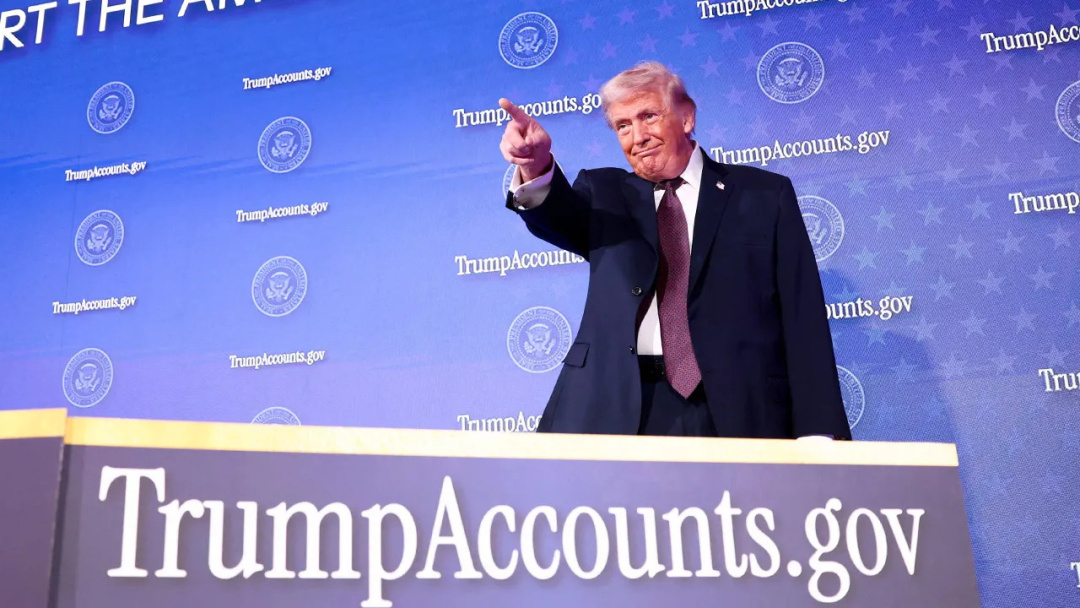
Republican candidates are encouraged to highlight initiatives like the "Trump Accounts," which have seen over 6 million children sign up for deferred investment accounts, with 1.4 million qualifying for a $1,000 contribution from the Treasury. Dell CEO Michael Dell emphasized the transformative potential of these accounts, noting that they can positively impact children's future opportunities and mindsets.
In April, Trump signed an executive order to create a low-cost "TrumpIRA," aimed at providing retirement savings options for workers who currently lack access through their employers. This initiative is expected to benefit a significant portion of the workforce, addressing a critical gap in retirement savings.
As the midterm elections approach, the state of the economy will be crucial for the Republican Party's prospects. With Congress in session, there is an opportunity to promote recent economic successes and propose policies that resonate with voters. However, the party appears to be focusing on a limited $95 billion reconciliation bill primarily addressing defense and agricultural needs, rather than tackling broader economic challenges such as housing affordability.
Republicans are urged to adopt a more proactive stance, particularly in addressing issues like capital gains tax indexing for home sales, which could alleviate financial burdens for older homeowners. Meanwhile, Democrats continue to portray themselves as the party concerned with affordability, despite overseeing high inflation rates during Biden's tenure.
The narrative that Republican tax cuts benefit only the wealthy is misleading. Features of the tax reform, such as an expanded child tax credit and provisions for overtime and tips, have provided substantial benefits to working-class families. Families earning between $15,000 and $30,000 experienced the largest tax cuts, while the share of tax revenues from the top 10% increased.
To succeed in the upcoming elections, Republicans must effectively communicate these economic achievements and propose solutions that build on them. As the saying goes, it is always about the economy.