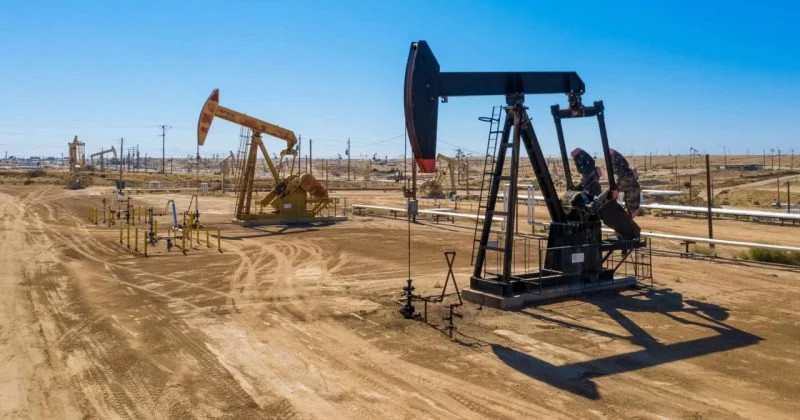
US Gasoline Prices Exceed $4 Amid Strait of Hormuz Tensions
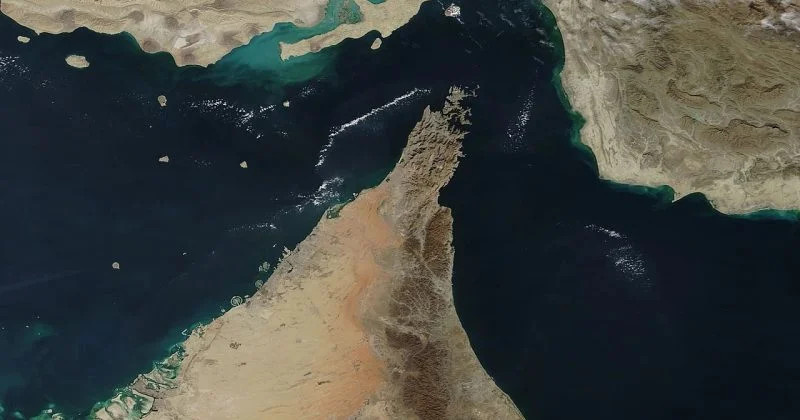
Gasoline prices in the United States have crossed the psychological threshold of $4 per gallon, with the national average hitting $4.003 on July 20, 2026, according to AAA data. This increase is largely attributed to renewed hostilities in the Strait of Hormuz, a vital waterway for global oil shipments. Disruptions to shipping and attacks on vessels have pushed crude oil prices close to $80 per barrel, contributing to the recent surge in pump prices.
The increase in gasoline prices, which rose by 10 cents in just one week, signals growing concerns among consumers and traders alike. The last time prices were comfortably below $4, tensions in the region had eased, but the current situation has quickly reversed that trend.
Market Reading & Resources
Sponsor funding complete. Trade on.
The implications of rising oil prices extend beyond just fuel costs. They influence inflation across various sectors, from manufacturing to food, as higher energy costs typically lead to increased prices for goods and services. This inflationary pressure can affect central bank policies regarding interest rates, creating a ripple effect throughout the economy.
Additionally, the relationship between oil prices and cryptocurrency markets is noteworthy. Historically, Bitcoin has reacted similarly to traditional risk assets during periods of oil price volatility. As energy-driven inflation concerns rise, cryptocurrencies may also experience downward pressure, particularly in the short term.
Another factor to consider is the economics of Bitcoin mining, which is energy-intensive. While many large mining operations have shifted to electricity contracts that are less affected by oil prices, fluctuations in energy costs in oil-sensitive regions can still impact operational expenses.
The key to understanding future price movements lies in the situation in the Strait of Hormuz. Recent partial reopenings have caused significant fluctuations in Brent crude prices, and any further de-escalation could alleviate some of the upward pressure on gasoline prices. However, ongoing tensions between the U.S. and Iran remain a critical backdrop. Any escalation that significantly disrupts tanker traffic through the Strait could lead to higher crude prices, which would, in turn, elevate gasoline prices and inflation expectations.
Traders are advised to monitor crude oil prices around the $80-per-barrel mark. A consolidation or retreat in prices could ease pressure on risk assets, while further increases due to new disruptions in Hormuz could tighten the correlation between energy markets and cryptocurrency sentiment, complicating market predictions based solely on technical analysis.