US Inflation Gauge Reaches Three-Year High Amid Energy Price Surge
The personal consumption expenditures (PCE) price index, the Federal Reserve's preferred measure of inflation, surged to a three-year high of 4.1% in May, up from 3.8% in April, according to the Commerce Department. This increase is largely attributed to rising energy prices amid ongoing geopolitical tensions, particularly the US-Israel conflict with Iran, which has disrupted supply chains and driven global energy prices higher.
While peace negotiations between Washington and Tehran are underway, uncertainty remains in the markets, and economists warn that it may take months for fuel prices to stabilize. President Donald Trump has characterized the inflation spike as temporary, asserting that prices will drop significantly once the conflict concludes. However, experts in the oil industry suggest that a return to normal production levels and traffic through critical shipping routes will not happen quickly.
Market Reading & Resources
Sponsor funding complete. Trade on.
Despite these challenges, some analysts believe inflation may have peaked, with expectations that it could begin to decline as oil prices fall in response to ongoing negotiations. Heather Long, chief economist at Navy Federal Credit Union, noted that gas prices have already decreased significantly since May, which could lead to lower inflation readings in the coming months.
As the midterm elections approach, affordability remains a pressing issue. The Democratic Party is aiming to gain control of Congress, with Senator Elizabeth Warren criticizing Trump's handling of inflation, stating that he has failed to deliver on his promise to lower costs.
In a positive development for the economy, the Commerce Department revised its first-quarter GDP growth estimate upward by 0.6 percentage points to 2.1%. This revision was primarily due to a downward adjustment in imports, which negatively impact GDP calculations, and was partially offset by a decrease in consumer spending. The growth was bolstered by sectors such as information services, including parts of the rapidly expanding artificial intelligence industry.
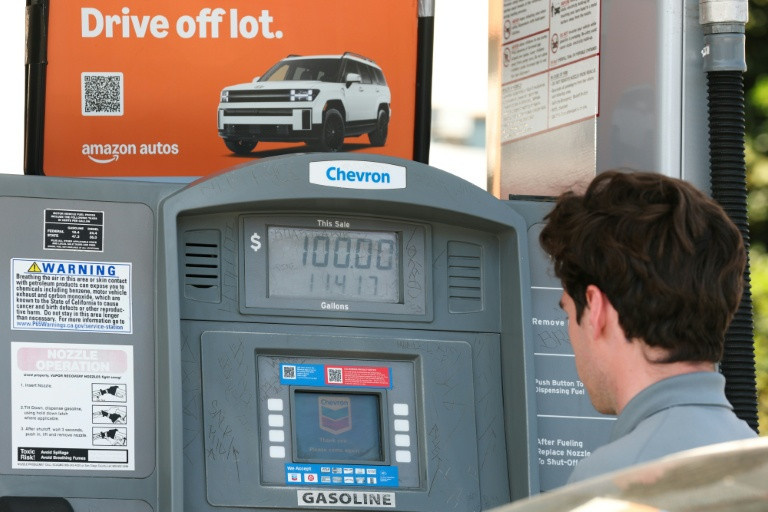
Core PCE inflation, which excludes volatile food and energy prices, rose by 3.4% year-on-year, marking the highest increase since October 2023. The data revealed that US consumers spent an additional $151.2 billion on gasoline and related products in May compared to the previous year, with the average price of regular gasoline still about 31% higher than before the conflict began.
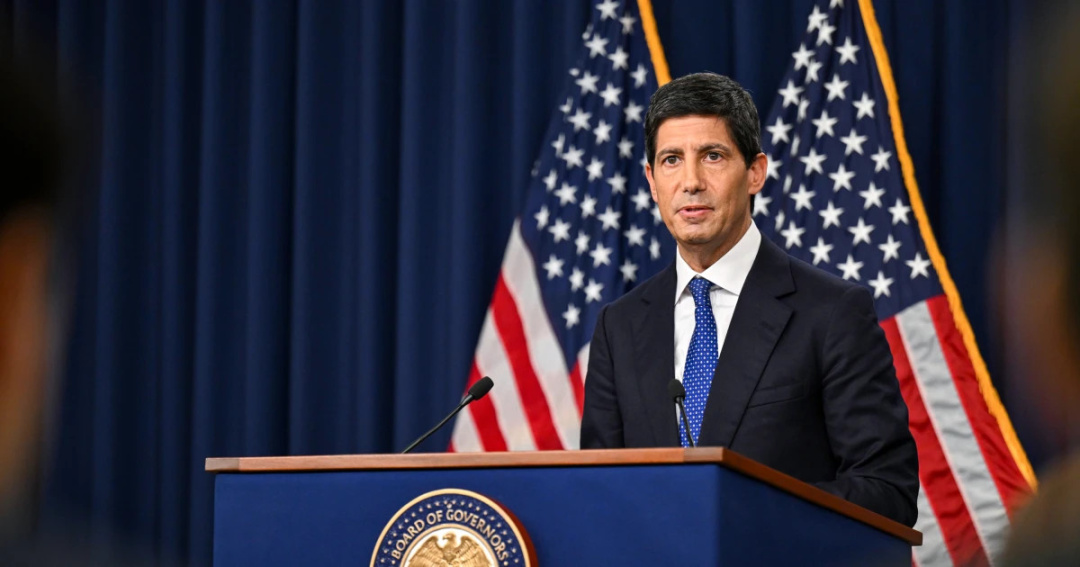
The Federal Reserve has expressed growing concerns about persistent inflation, which has remained above its long-term target of 2% for over five years. At their recent meeting, policymakers voted unanimously to maintain interest rates steady for the fourth consecutive meeting, with indications that rate hikes may be on the horizon for 2026. As markets navigate these economic challenges, the focus remains on the impact of inflation on American households and the broader economy.