PCE Inflation Hits 4.1% in May, Challenging Fed's Rate Strategy
In May, the Personal Consumption Expenditures (PCE) Price Index rose to 4.1%, more than double the Federal Reserve's target of 2%. This increase presents a significant challenge for policymakers, as inflation continues to accelerate rather than slow down. The core PCE, which excludes volatile food and energy prices, also increased to 3.4%, marking its highest level since October 2023. These figures complicate the case for any immediate rate cuts, especially given the Fed's dual mandate to maintain stable prices and maximum employment.
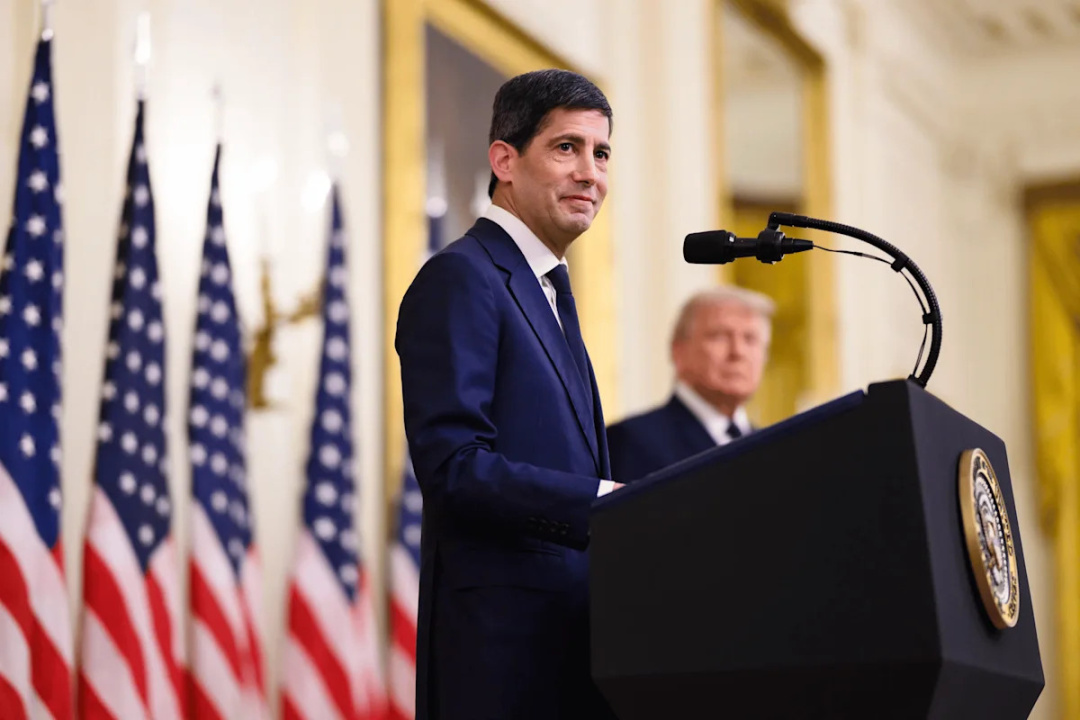
President Trump, who nominated Kevin Warsh as the new Federal Reserve chair, has been vocal about his desire for lower interest rates to stimulate economic growth. However, Warsh's recent statements suggest a commitment to restoring the Fed's credibility, prioritizing inflation control over political considerations. This shift in focus has led to a notable change in market sentiment, with traders now estimating a 54% chance of a rate hike by the end of the year, up from 28% just a week prior.
Market Reading & Resources
Sponsor funding complete. Trade on.
The dynamics between Warsh and Trump may become increasingly tense as the Fed navigates these inflationary pressures. While Trump advocates for lower rates to boost growth, Warsh's emphasis on credibility and inflation control indicates a potential divergence in their economic strategies.
Energy prices, particularly West Texas Intermediate (WTI) crude, have recently dropped below $70 per barrel, which could provide some relief. Lower energy costs can influence inflation indirectly by reducing expenses across supply chains, although the core PCE excludes energy prices. If these lower prices persist, they may offer the Fed a chance to hold rates steady in July, allowing inflation to stabilize without immediate intervention.
The latest inflation report presents a complex landscape for both investors and policymakers. With PCE inflation at 4.1% and core PCE at 3.4%, the prospect of rate cuts appears dim, while the possibility of rate hikes gains traction. The evolving relationship between Warsh and Trump, alongside fluctuating energy prices, will be critical to watch as the Fed approaches its next meeting. Ultimately, the Fed's ability to manage inflation while balancing political pressures will be pivotal in shaping economic policy in the coming months.