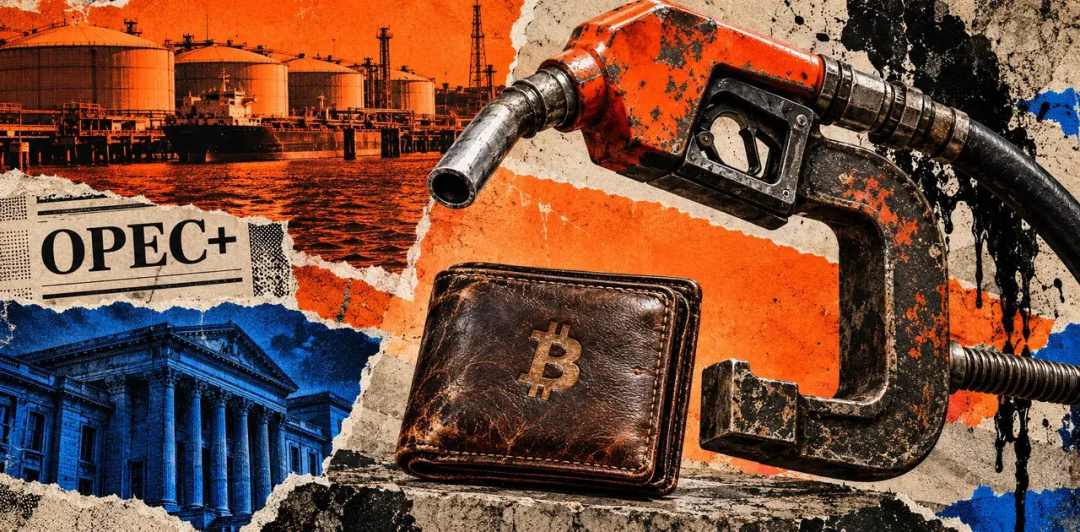
Oil Prices Drop to $77 as Fed Signals Continued Inflation Battle
Brent crude oil prices have recently declined to around $77 per barrel, marking a return to levels seen before the geopolitical tensions that escalated over the past year. This drop is largely attributed to the normalization of tanker traffic through the Strait of Hormuz, following a memorandum of understanding between the US and Iran aimed at reducing hostilities. As a result, the significant geopolitical risk premium that had previously inflated oil prices has unwound.
Despite the easing in oil prices, the inflation issue remains a concern for the Federal Reserve. Two-year Treasury yields, which hovered between 4.15% and 4.19% in mid-June, are notably above the Fed's target rate of 3.50-3.75%. This discrepancy suggests that market participants believe the Fed's tightening cycle is not yet complete.
Market Reading & Resources
Sponsor funding complete. Trade on.
The Federal Reserve, under the leadership of Chair Kevin Warsh, held its latest meeting on June 17, 2026, where it decided to maintain the current interest rates. However, nearly half of the Fed's policymakers indicated expectations for at least one rate hike before the end of the year. Futures markets have begun to price in a significant chance of a rate increase as early as September.
On June 17, two-year Treasury yields experienced a notable increase of 0.16%, reflecting the bond market's reaction to the Fed's forward guidance. While oil prices may be cooling, the underlying inflation problem is expected to persist, indicating that the central bank's battle against inflation is far from over. The full normalization of shipping patterns and oil prices is anticipated to take several weeks to months, as the market adjusts to the new geopolitical landscape.