Inflation Set to Reach Two-Year High Amid Rising Fuel Prices
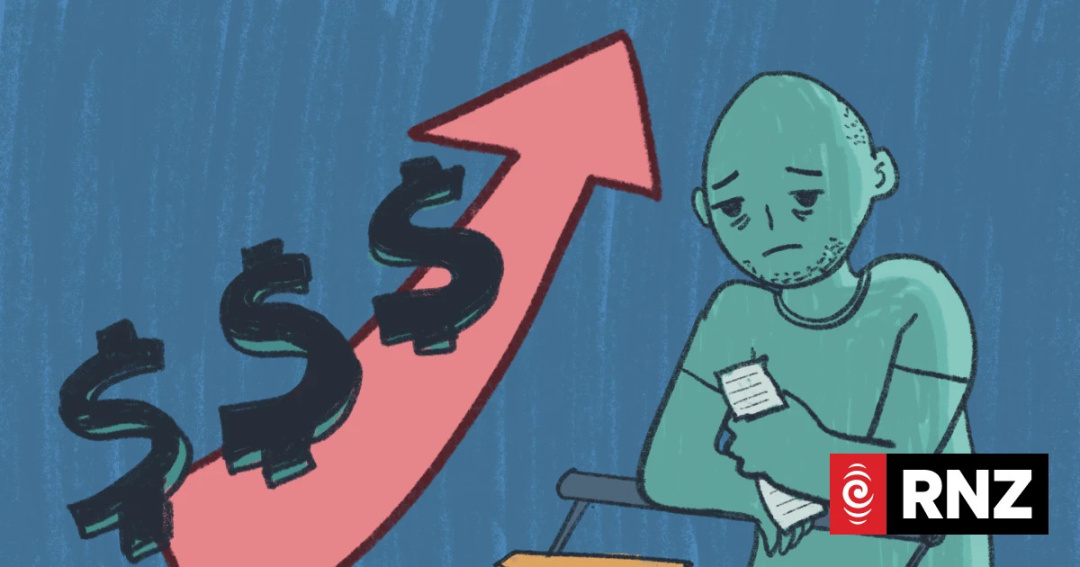
Inflation in New Zealand is on track to reach its highest point in two years, primarily due to a significant increase in fuel prices stemming from the ongoing conflict in the Middle East. Economists predict that the annual inflation rate could rise to at least 4 percent for the 12 months ending in June, a notable increase from 3.1 percent recorded in the March quarter. The Reserve Bank of New Zealand (RBNZ) has estimated a slightly lower figure of 3.9 percent, which it considers likely to be the peak in the current inflation cycle.
Westpac senior economist Satish Ranchhod is forecasting an annual inflation rate of 4.1 percent, emphasizing that the recent escalation of hostilities and the resulting uncertainty would not deter the RBNZ from its course. He noted that the RBNZ will closely monitor the underlying details of inflation, particularly whether high fuel prices are influencing other price levels, especially with global oil prices continuing to rise.
Market Reading & Resources
Sponsor funding complete. Trade on.
Core inflation measures have shown some softening but remain above the RBNZ's target midpoint of 2 percent. Despite the RBNZ's tendency to overlook volatile quarterly fluctuations, households are still grappling with increased costs for fuel, electricity, gas, and food.
ANZ senior economist Miles Workman expressed concern that rising fuel costs could lead to broader price increases across the economy. He highlighted that for the Monetary Policy Committee, the primary risk lies in higher fuel prices spilling over into other components of the Consumer Price Index (CPI), which could elevate inflation expectations and create a more pervasive inflationary impulse that is challenging to control.
The New Zealand Institute of Economic Research's recent quarterly survey indicated that inflation pressures are intensifying, with over half of the surveyed firms reporting higher costs and anticipating price increases in response. RBNZ chief economist Paul Conway recently presented findings showing that businesses tend to raise prices more quickly during high inflation periods and are slower to reduce them when costs decline.
ASB senior economist Mark Smith noted that despite recent increases, the official cash rate (OCR) is still stimulating the economy. The RBNZ aims to gradually reduce this stimulus, which will influence the timing and magnitude of future rate hikes. He suggested that if inflationary pressures prove to be less severe, the RBNZ may adopt a more gradual approach to rate increases and potentially lower the peak OCR. Conversely, if inflation remains persistently high, the RBNZ might need to take more aggressive action, potentially raising the OCR above 3.25 percent.