Gold Prices Plummet Amid Federal Reserve Rate Hike Pressure

Gold has experienced a significant decline, shedding about 28% from its peak in January, where it traded near $5,595 per ounce. Currently, spot prices hover around $4,000 per ounce, driven down by a combination of geopolitical tensions and macroeconomic factors. The situation escalated following US airstrikes against Iranian military targets around mid-July, which were a response to earlier Iranian attacks that unsettled markets. The conflict intensified with the death of two US service members in Jordan on July 17, further heightening tensions in the region.
In reaction to these developments, oil prices surged by approximately 12%, as traders anticipated potential supply disruptions from a critical energy-producing area. This spike in oil prices has direct implications for inflation, a persistent concern for central bankers. As a result, market analysts have revised their expectations regarding Federal Reserve interest rate hikes, which are now seen as more likely due to the inflationary pressures stemming from rising energy costs.
Market Reading & Resources
Sponsor funding complete. Trade on.
Gold's appeal as a safe haven is being challenged by the prospect of higher interest rates. Unlike stocks or bonds, gold does not yield interest or dividends. Therefore, when interest rates rise, the opportunity cost of holding gold increases, making it less attractive to investors. Typically, geopolitical unrest would drive investors toward gold; however, the current narrative surrounding potential rate hikes is overshadowing this trend.
The decline from January's peak to around $4,000 per ounce marks one of the sharpest corrections for gold in recent memory, with a $1,595 drop prompting portfolio managers to reassess their investment strategies. In contrast to gold's struggles, digital assets like Bitcoin and ether have remained relatively stable during this period of market turbulence.
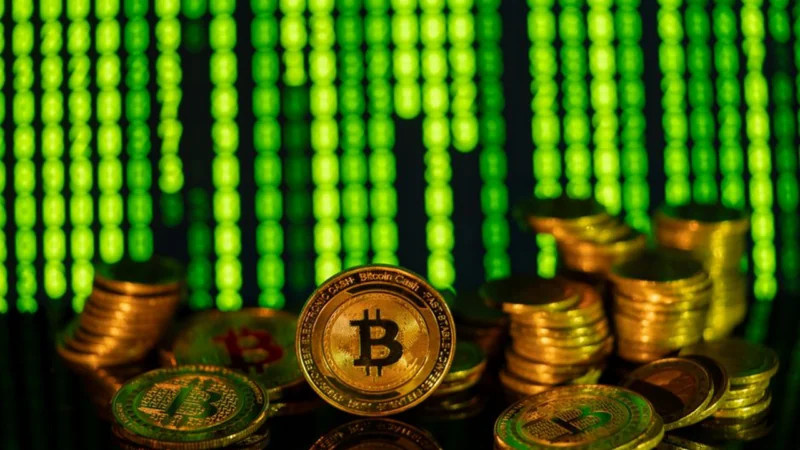
Bitcoin, in particular, is increasingly being positioned as a viable alternative to gold, especially in times of conflict. Advocates argue that Bitcoin's fixed supply, lack of sensitivity to interest rates, and ability to be transferred across borders instantaneously during crises make it an attractive option for investors seeking stability amidst uncertainty. As the dynamics of the market continue to evolve, the relationship between traditional safe havens like gold and emerging digital assets will likely remain a focal point for investors and analysts alike.